
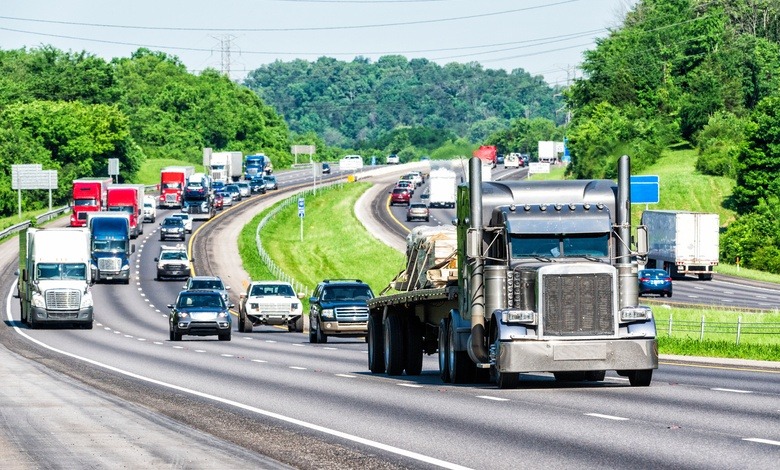
Key Legal Factors for Hauling Freight Across State Lines
Interstate hauling, or transporting goods across state lines, involves more legal regulations than intrastate hauling, which occurs within a single state. You don’t want to deal with fines, penalties, or legal entanglements for non-compliance with interstate hauling regulations, so learn the key legal factors for hauling freight across state lines.
Intra vs. Interstate Hauling: What’s the Same?
Some rules are universal, whether you’re hauling goods across state lines or within the same state. Load bar systems help with regulatory compliance by securing cargo in transit. You’ll also need to comply with weight limits to avoid overloading your vehicle.
Drivers should take regular breaks and adhere to hours of service regulations for the safety of themselves and other drivers on the road. Other regulations, such as having a valid driver’s license and vehicle registration, also remain the same regardless of whether you’re hauling interstate or intrastate.
Intra vs. Interstate Hauling: What’s Different?
Regulations and requirements vary by state. The challenge lies in each state having unique requirements, meaning trucking companies must navigate a range of laws, regulations, and tax fees. Common differences between interstate and intrastate trucking include the following:


Permits and Licensing
Interstate trucking requires additional permits and licenses, such as a USDOT number and an MC number.
Weight Limits
While federal weight limits apply to interstate trucking, each state may have its own weight restrictions for intrastate trucking. For example, Texas has a maximum gross vehicle weight of 80,000 pounds for intrastate trucking, while neighboring state Louisiana has a limit of 120,000 pounds.
Hours of Service (HOS)
Interstate trucking must comply with federal HOS regulations, which limit the number of consecutive hours a driver can operate a commercial vehicle. However, some states may have additional or stricter HOS rules for intrastate trucking.
Insurance Requirements
Federal law requires interstate trucking companies to have minimum liability insurance coverage. In contrast, each state sets its own insurance requirements for intrastate trucking.
Taxes and Fees
Interstate trucking companies must pay fuel taxes based on miles traveled in each state. For intrastate trucking, taxes and fees may vary depending on the jurisdiction.
Tips for Complying With State Regulations
While navigating state regulations for intrastate trucking can be challenging, trucking companies can follow tips to stay compliant and avoid penalties or fines.
- Stay up to date on the latest state regulations and requirements. This includes regularly checking with each state’s department of transportation and motor carrier agency for any changes or updates.
- Conduct internal audits to confirm that all vehicles, drivers, and operations comply with state regulations.
- Train all employees, including drivers and administrative staff, on state regulations and their responsibilities for following them.
- Keep thorough records of all vehicle inspections, driver qualifications, and other important documents required by state regulations. These records should be accessible for audits or inspections.
- Designate an employee or team to oversee compliance with state regulations.
Don’t let interstate hauling laws scare you away from expanding your business; they may seem complicated, but once you have a good understanding of them, they’ll become second nature! These simple tips and guidelines can help you get started.