
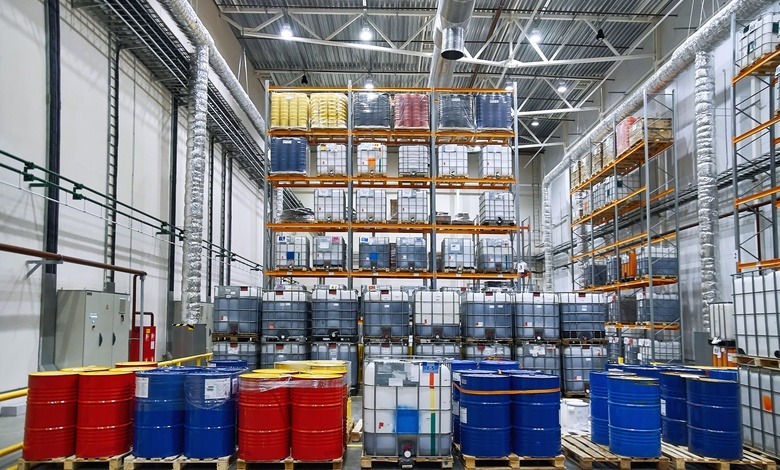
Best Practices for Maintaining Large-Scale Fluid Storage
Proper maintenance of large-scale fluid storage is crucial for minimizing downtime, ensuring safety, and optimizing efficiency. Whether you’re dealing with chemicals, industrial fluids, or other resources, neglecting maintenance can lead to costly errors and even hazardous situations. By following these best practices for maintaining large-scale fluid storage, you’ll extend the lifespan of your storage and sustain operational excellence.
Regular Inspection and Maintenance
Frequent inspections are the foundation of effective fluid storage management. Regularly check tanks, valves, and fittings for signs of wear, corrosion, or leaks. Addressing minor damage early prevents small issues from escalating into major problems. Establish a consistent inspection schedule, and maintain accurate records for regulatory compliance and future reference.
Implement Robust Cleaning Protocols
Over time, residue and contaminants can accumulate in storage tanks, affecting the quality of the fluid and overall system performance. Establish cleaning protocols tailored to the type of fluid you’re storing. For example, some chemicals require specialized cleaning agents to avoid contamination. Consistent cleaning helps maintain fluid purity and ensures your tanks remain in top condition.
Monitor and Control Environmental Factors
External factors like temperature, humidity, and light exposure can impact the integrity of both the storage system and the fluid itself. For instance, extreme temperatures may cause materials to expand or contract, leading to cracks or leaks. Installing insulation, ventilation, or UV protection as needed can safeguard your storage environment against these risks.


Adopt Advanced Monitoring Systems
Modern technologies are game changers for maintaining fluid storage systems. Advanced monitoring systems track pressure levels, fluid quantities, and potential faults in real time, reducing human errors and improving efficiency. Key features to look for in an IBC tank tracking system include a user-friendly interface, real-time tracking, and more. These features will enable you to stay proactive in identifying and resolving storage issues.
Comply With Industry Standards and Regulations
While you must avoid compliance issues, meeting industry standards also ensures the safety and efficiency of your large-scale fluid storage. Ensure that your tanks and storage setups adhere to local, national, or industry-specific regulations. Staying informed about updates to storage guidelines and certifications is vital for maintaining a secure and compliant environment.
Proper fluid management keeps businesses running smoothly. By adopting these best practices for maintaining large-scale fluid storage, you’ll establish a strong framework for smoother and more reliable operations. Explore smart solutions built for professionals like you, and elevate your storage strategy today.