
Components of Better Outerwear for Risky Industrial Jobs
Every shift brings new challenges when you work in industrial environments. Equipment malfunctions, weather changes, and unexpected hazards test your skills and your gear. Your outerwear can protect you from these daily risks, but you must choose the right features.
Flame Resistance
Chemical plants, welding shops, and electrical facilities demand protection you can trust. Flame resistant coatings make outerwear protective against flash fires and arc incidents that happen without warning.
These specialized treatments prevent fabrics from igniting or continuing to burn after you remove the heat source. Look for garments that meet NFPA 2112 standards, which ensure your jacket or coveralls provide adequate protection.
High-Visibility
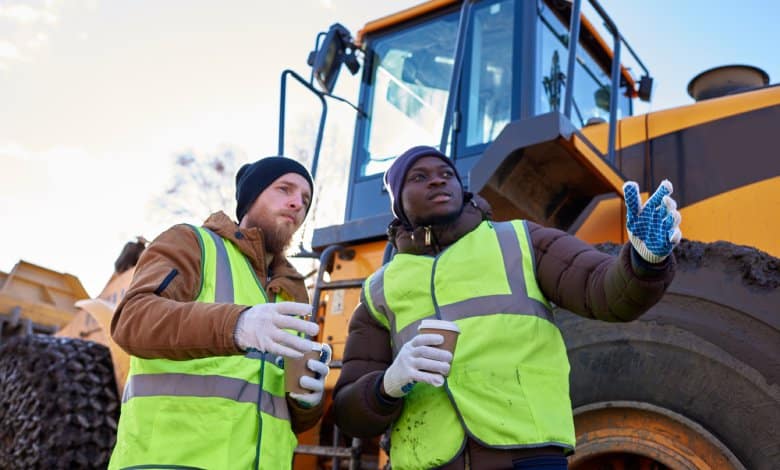
Another component of better outerwear for risky industrial jobs is making sure all your coworkers can see you. Specialized fabrics and retroreflective strips catch light, making you visible from hundreds of feet away. These materials ensure safety in low-visibility or high-activity areas. With a Class 3 rating, they offer top protection for highway work, airports, and industrial sites.


Full Insulation
Staying warm protects more than just your comfort when temperatures drop. Cold muscles react slower and make more mistakes, turning routine tasks into safety hazards.
Quality insulation systems regulate your body temperature without restricting movement or adding excessive bulk. Synthetic fills maintain their insulating properties even when wet, while down alternatives compress easily for storage in work vehicles.
Waterproof Design
Modern waterproof technologies breathe better than older rubber coatings, which trapped moisture and created uncomfortable working conditions. Sealed seams and waterproof zippers complete the protective barrier, ensuring no weak points compromise your safety during extended exposure to harsh conditions.
Reinforced Stitching
Double-stitched seams handle repeated stress from climbing, lifting, and stretching without separation. Bartacked stress points at pockets and attachment loops prevent tears that start small but quickly render garments unsafe. Triple-needle stitching at critical areas like shoulders and side seams provides extra durability where you need it most.
Quality outerwear costs more upfront but delivers reliable protection shift after shift. Don’t settle for equipment that might fail when you need it most. Choose outerwear that offers these features, sure to help at risky industrial jobs.