How To Protect Industrial Electrical Equipment
Your facility spent a lot of money and time installing industrial electrical equipment, so you want it to last. Unfortunately, heavy machinery is prone to exaggerated wear, especially when electricity enters the mix. And when motors, transformers, and control systems fail unexpectedly, you’re looking at costly downtime, emergency repairs, and potentially severe safety hazards. However, most equipment failures are preventable with the right protective measures. Here’s how to protect industrial electrical equipment from common risks and failures.
Start With Regular Maintenance Schedules
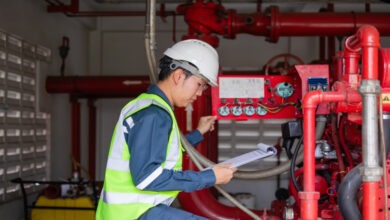
Your electrical equipment needs consistent attention. Create detailed maintenance schedules that include visual inspections, cleaning, and testing. You’ll want to check for corrosion, loosening, splitting, cracked casings, discoloration, burn marks, and so forth.
Document everything you find during these inspections. This creates a baseline for your equipment’s normal condition and helps you spot developing issues before they become expensive failures.
Control Your Environment
Heat, humidity, and dust are your electrical equipment’s worst enemies. Install proper ventilation systems in electrical rooms and keep temperatures within manufacturer specifications. Use dehumidifiers in moisture-prone areas and consider air filtration systems where dust accumulation is a particularly large concern. Dust buildup acts as insulation, trapping heat and creating hot spots that can eventually damage components.


Invest in Surge Protection
Power surges are relatively common and incredibly damaging to sensitive electronic components in modern industrial equipment. Lightning strikes, utility switching, and large motor starts all create voltage spikes that can destroy expensive controls and drives.
Install surge protective devices at your main electrical service and at critical equipment locations. For example, automatic voltage regulators help maintain steady voltage levels, protecting your equipment from both surges and voltage sags.
Monitor Electrical Loads
Overloading circuits puts excessive stress on your electrical components. Use power monitoring systems to track energy consumption patterns and identify equipment that’s drawing more current than normal. This early warning system helps you address problems before they cause failures.
Balance loads across phases whenever possible. Unbalanced loads create neutral currents and voltage irregularities that reduce equipment lifespan.
Train Your Team
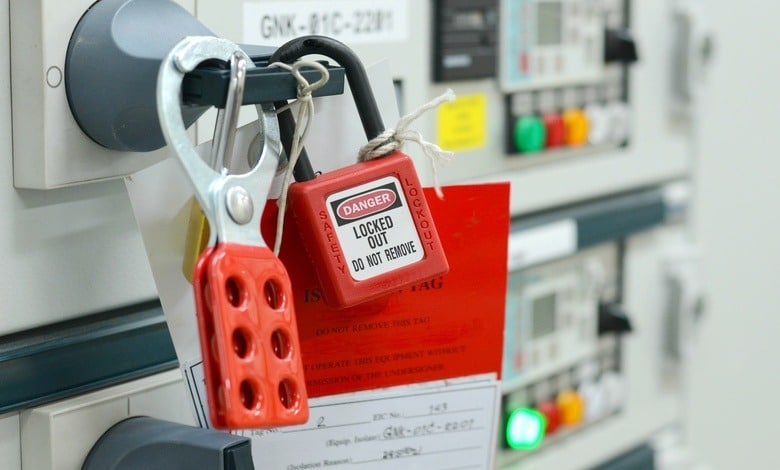
Your maintenance staff and operators should know how to recognize unusual noises, vibrations, temperature changes, and other warning signs. Teach proper lockout/tagout procedures and emphasize the importance of following electrical safety protocols.
Make sure everyone understands which problems they can handle and when to call in specialists. Quick response to electrical issues prevents minor problems from becoming major disasters.
Keep Your Equipment Running Strong
Protecting industrial electrical equipment requires ongoing attention, but the investment pays dividends through reduced downtime and extended equipment life. Regular maintenance, environmental controls, surge protection, load monitoring, and proper training create multiple layers of protection for your valuable assets.