Why Reflective Gear Is So Important in Construction
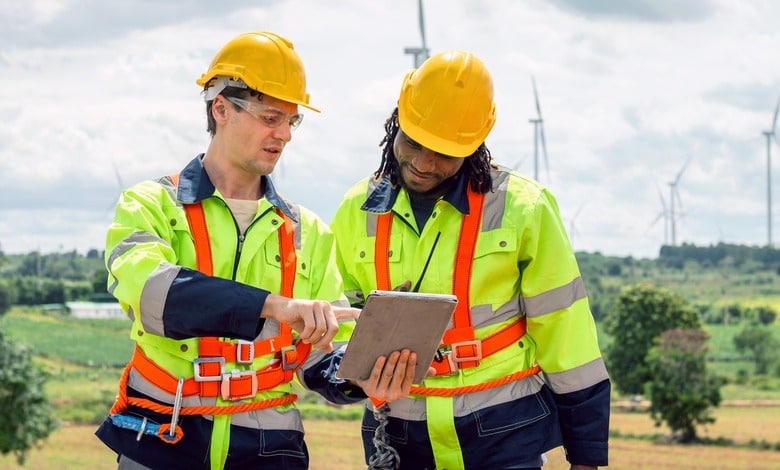
Construction sites present numerous hazards that workers face daily. Among all safety measures, reflective gear stands out as one of the most critical pieces of protective equipment. This high-visibility clothing serves as a frontline defense against accidents, injuries, and fatalities on job sites across the country.
Reflective gear helps construction companies prioritize worker safety and comply with industry regulations. The benefits encompass legal compliance, cost savings, and most importantly, protecting human lives. Why is reflective gear so important in construction? We’re discussing the details below.
Enhanced Visibility Saves Lives
Poor visibility ranks among the leading causes of construction accidents. Workers operating heavy machinery, driving vehicles, or working near traffic face constant risks when others cannot see them clearly. Reflective gear addresses this challenge head-on by making workers visible from distances up to 500 feet away.
The reflective strips and bright colors catch light from various sources, including vehicle headlights, work lights, and natural sunlight. This visibility proves especially crucial during dawn, dusk, and nighttime operations when natural lighting fails to provide adequate illumination.

Construction sites often involve multiple moving parts—cranes, bulldozers, trucks, and workers moving simultaneously. Reflective gear creates a clear visual distinction between personnel and equipment, reducing the likelihood of accidents caused by mistaken identity or oversight.
OSHA Compliance and Legal Requirements
The Occupational Safety and Health Administration mandates high-visibility safety apparel for specific construction activities. These requirements apply to workers exposed to vehicular traffic, heavy equipment operations, and low-light conditions.
OSHA standards specify three classes of reflective gear based on risk levels:
- Class 1: Minimal risk environments with slow-moving traffic
- Class 2: Moderate risk situations with faster-moving vehicles
- Class 3: High-risk areas requiring maximum visibility coverage
Failure to comply with these regulations results in hefty fines and legal liabilities. Companies that neglect proper safety gear face penalties ranging from thousands to hundreds of thousands of dollars, depending on violation severity.
Cost-Effective Safety Investment
Reflective gear represents one of the most affordable safety investments construction companies can make. High-quality reflective construction work shirts, vests, and jackets cost significantly less than medical expenses, workers’ compensation claims, and project delays caused by accidents.
When accidents occur, the financial impact extends beyond immediate medical costs. Companies face increased insurance premiums, potential lawsuits, project shutdowns, and reputation damage. These consequences far outweigh the relatively small investment in proper reflective apparel.
Weather and Environmental Benefits
Modern reflective gear incorporates advanced materials that provide protection beyond visibility. Many options include moisture-wicking fabrics, temperature regulation, and weather resistance while maintaining reflective properties.
These features ensure workers stay comfortable and visible regardless of environmental conditions. Rain, fog, snow, and extreme temperatures no longer compromise safety when workers wear appropriate reflective apparel.
Build a Safety-First Culture
Implementing comprehensive reflective gear policies demonstrates company commitment to worker welfare. This visible dedication to safety creates a culture where employees prioritize protection and feel valued by their employers.
When management invests in quality safety equipment, workers respond with increased loyalty, reduced turnover, and enhanced job satisfaction. This positive cycle reinforces safety practices throughout the organization.
Reflective gear is an important component of construction site safety protocols. The combination of visibility enhancement, regulatory compliance, cost savings, and worker protection makes it an indispensable investment for any construction operation.