
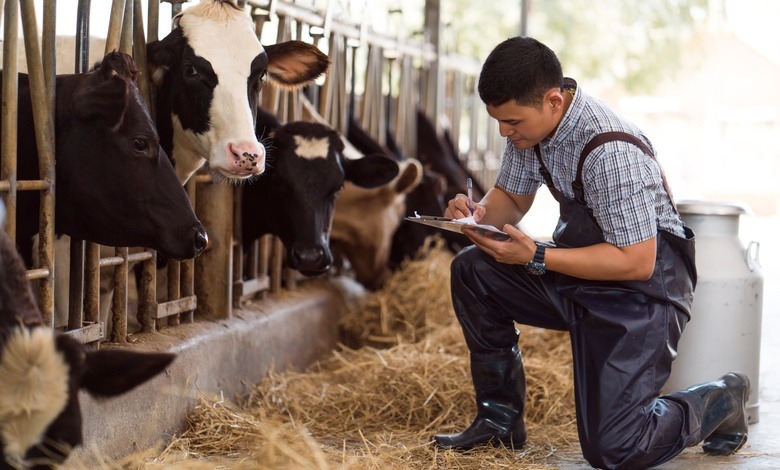
Things Farmers Do To Ensure Ethical Dairy Cow Treatment
Many people are curious about where their food comes from, especially dairy products. Consumers increasingly want to know that the milk in their fridge comes from well-cared for cows. This article will explore some of the things farmers do to ensure ethical dairy cow treatment. We’ll look at everything from their living conditions to their healthcare and nutrition.
Provide Comfortable Housing
Farmers design barns to protect cows from harsh weather, including extreme heat, cold, and rain. These shelters are carefully planned to maximize comfort. Many modern barns feature climate control systems with fans and misters to keep cows cool during the summer.
Bedding is another critical aspect of cow comfort. Farmers use soft, dry materials like sand, straw, or rubber mats for the cows to lie on. Clean, comfortable bedding prevents injuries and allows cows to rest properly, which is important to their health and milk production. Farmers regularly clean these areas to maintain a hygienic environment.
Ensure Proper Nutrition and Hydration
A healthy cow starts with a healthy diet. Farmers work closely with animal nutritionists to create balanced meal plans for their herds. These diets consist of a mix of grass, grains, and essential minerals tailored to the cows’ specific needs, which can change based on their age and lactation cycle.


Cows also need constant access to fresh, clean water to stay hydrated and healthy. Farmers often install large water troughs throughout their barns and pastures and clean them frequently to prevent contamination. Proper nutrition and hydration can affect a cow’s well-being and the quality of the milk she produces.
Maintain Herd Health
Preventative healthcare is a cornerstone of modern dairy farming. Farmers implement regular health monitoring programs to catch and address any issues early. This includes:
- Routine check-ups from veterinarians.
- Vaccination schedules to prevent common diseases.
- Careful monitoring for any signs of illness or distress.
When a cow does get sick, farmers provide prompt medical attention to help her recover quickly. The importance of sustainable dairy farming also comes into play here, as healthy cows are more productive and have a lower environmental impact over their lifespan.
Focus on Animal Well-Being
Beyond physical health, farmers also pay attention to the behavioral needs of their cows. They provide enough space for the animals to move around freely, socialize with other cows, and express natural behaviors.
Some farms use automated brushes that cows can rub against for grooming, which they enjoy. By prioritizing these ethical practices, farmers ensure their herds are healthy and content.
Ethical dairy cow treatment requires a deep commitment to animal welfare. By providing comfortable housing, proper nutrition, and attentive healthcare, farmers work to ensure their cows are treated with the respect and care they deserve. This dedication produces the safe, high-quality dairy products consumers expect.