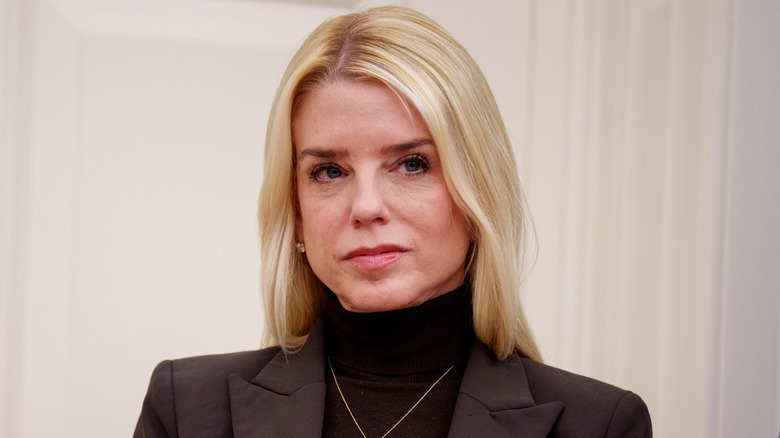
Attorney General Pam Bondi issued a domestic terrorism memo to the FBI that has sparked intense debate and controversy. The leaked December memo, which categorizes certain Trump opposition groups and individuals as “domestic terrorists,” raises significant concerns regarding civil liberties, political motivations, and the definition of terrorism in a democracy.
Background on Pam Bondi
Pam Bondi served as Florida’s Attorney General from 2011 to 2019 and has since remained a prominent figure in Republican politics. Known for her strong support President Donald Trump, Bondi has become an influential voice within the party, often advocating for Trump’s policies and reflecting his administration’s priorities. Her latest action in labeling dissent as domestic terrorism aligns with the broader narrative emerging from conservative circles, particularly as political polarization continues to intensify.
The Contents of the Memo
In her December 2025 memo, Bondi outlines a framework for identifying and categorizing perceived threats to national security. The memo specifically targets:
- Individuals and groups opposing Trump: Bondi’s stance indicates that those who actively oppose the current administration’s policies, particularly liberals and Democrats, are viewed through the lens of a security threat.
- Political activism as terrorism: The document implies that certain forms of political protest, especially those aligned with leftist ideologies, fall under the category of domestic terrorism.
This document raises questions about the implications for civil liberties, as it appears to blur the line between lawful dissent and criminal activity.


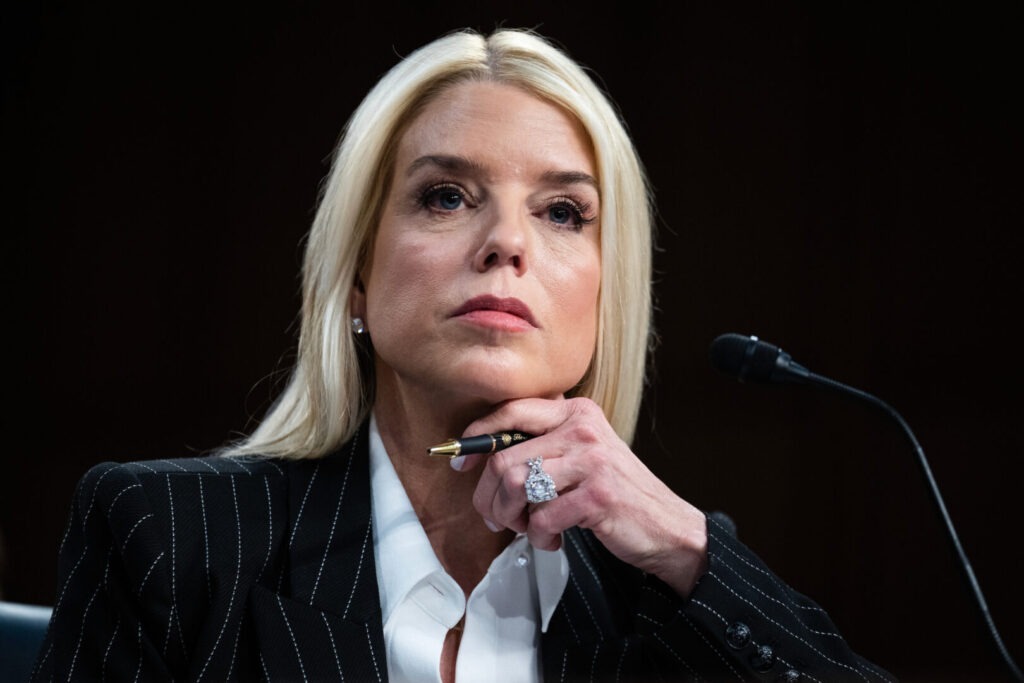
UNITED STATES – JANUARY 15: Pam Bondi, President-elect Donald Trump’s nominee to be attorney general, testifies during her Senate Judiciary Committee confirmation hearing in the Hart building on Wednesday, January 15, 2025. (Tom Williams/CQ Roll Call)
The Political Context
Bondi’s memo comes at a time of heightened tension between various political factions in the U.S. Following the results of the 2024 elections and ongoing societal divisions, there has been a growing rhetoric among conservatives framing their opposition as not just political but as a threat to the nation’s security.
- Partisan Divide: The memo highlights a stark divide; while individuals from the right are largely exempt from this labeling, the focus on liberal activists as domestic threats reflects a concerning trend of politicizing national security.
- Implications for Free Speech: Critics argue that this characterization sends a chilling message to activists, academics, and ordinary citizens who may choose to vocalize dissent against the government’s actions.
Public Reaction and Opposition
The memo’s contents have generated widespread backlash from various sectors, including civil rights organizations, liberal politicians, and even some Republicans who see this as an infringement on free speech.
- Civil Rights Concerns: Advocacy groups have raised alarms over the potential for abuses of power and the threat to democratic principles that could arise from targeting political dissenters as “terrorists.”
- Political Ramifications: Prominent Democratic leaders have echoed these sentiments, emphasizing the importance of protecting freedom of speech and assembly. They argue that labeling opposition inaccurately stifles legitimate discourse and dissent, which are crucial components of democracy.
Consequences for Political Discourse
Bondi’s memo could have far-reaching implications for political discourse. By framing opposition as domestic terrorism, it creates an environment where legitimate grievances against government actions can be criminalized.
- Impact on Activism: Grassroots organizations may feel the need to adjust their strategies to avoid falling under scrutiny as “domestic terrorists.” This could lead to less robust public debate on critical issues.
- Normalization of Authoritarian Rhetoric: Critics argue that such actions contribute to a normalization of authoritarian language in U.S. politics, paving the way for diminished civil liberties in the pursuit of a singular political agenda.
Conclusion
Pam Bondi’s December 2025 leaked memo to the FBI marks a significant moment in the evolution of political discourse in the United States. By labeling dissent as domestic terrorism, the memo challenges the foundations of free speech and democratic participation. The implications of this action warrant careful scrutiny, as it reflects broader trends that may threaten the essential freedoms that underpin American democracy. As the nation navigates these turbulent political waters, the importance of defending civil liberties, promoting open discourse, and fostering understanding across the political spectrum has never been more critical.