
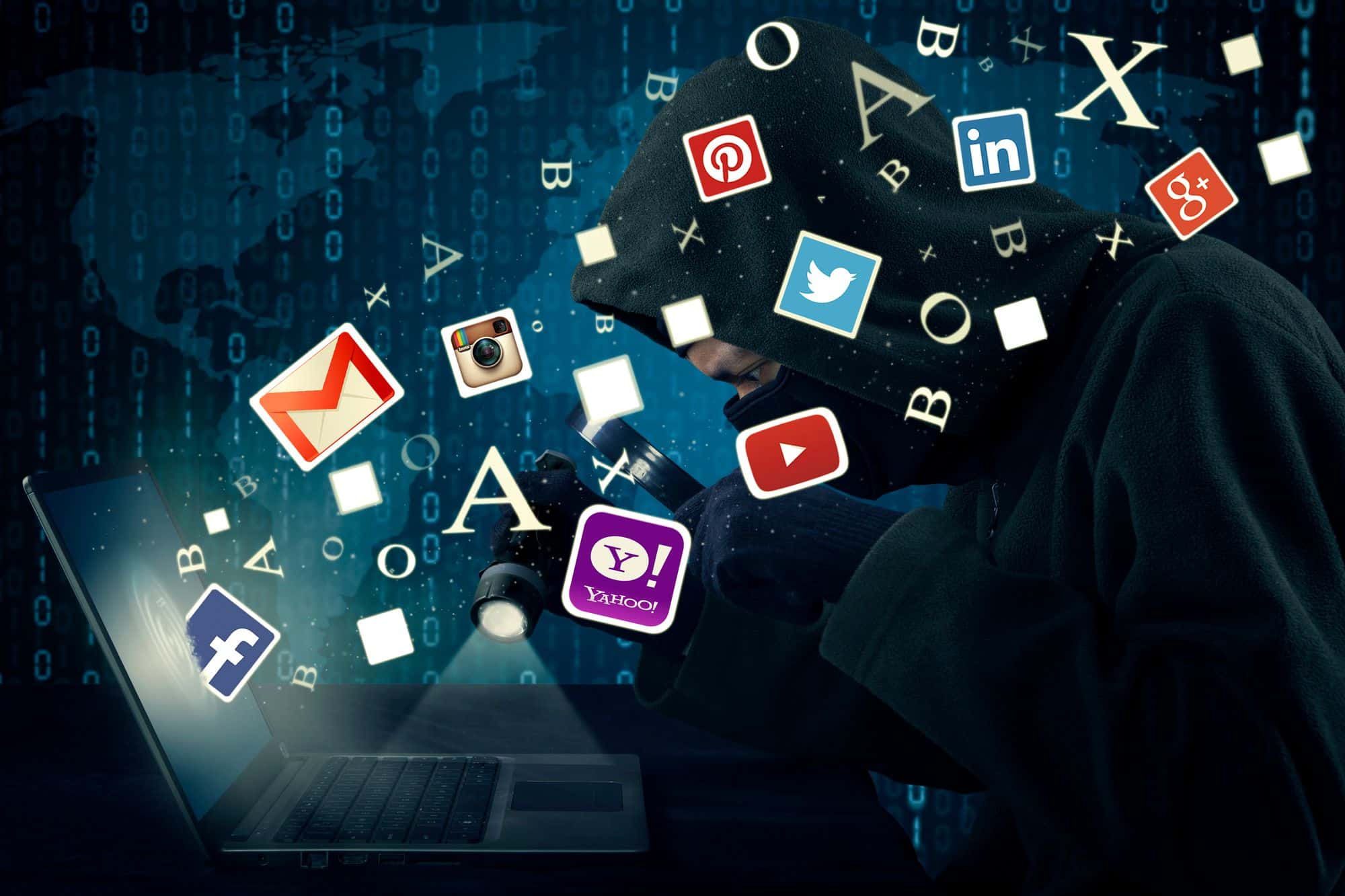
Social Media Poses Hack Risks to Businesses
Key Points:
- Cybersecurity expert reveals six common social media mistakes that leave small businesses vulnerable to hackers during peak sales periods
- Risky behaviors include posting hiring announcements without verification, sharing behind-the-scenes content with visible passwords, and clicking urgent DMs from fake customers
- Expert warns increased social media activity during festive season gives more opportunities for cybercriminals to exploit common security gaps
Small businesses lean heavily on social media during the festive shopping seasons to showcase deals, connect with customers, and drive holiday sales. But this surge in online activity comes with a hidden cost. Every post, DM, and interaction creates potential entry points for cybercriminals.
“Small business owners don’t realize how much information they’re inadvertently sharing,” explains Pete Cannata, Chief Operating Officer at Atlantic.Net, a global cloud infrastructure provider specializing in security and compliance. “A single behind-the-scenes photo or a quick response to what seems like an urgent customer message can open the door to serious security breaches.”
As businesses ramp up their social media presence for holiday promotions, Cannata identifies six habits that commonly put small businesses at risk and how to avoid them.


1. Posting ‘We’re Hiring!’ Without Verification Steps
Job announcements during busy seasons can attract more than potential employees. Scammers monitor these posts, then create fake profiles mimicking your business to post fraudulent job listings. They collect personal information from job seekers while damaging your reputation.
“When you announce hiring on social media, you’re telling scammers there’s an opportunity,” says Cannata. “They’ll copy your logo and create convincing fake job ads. Job seekers end up sharing social security numbers and bank details with criminals impersonating your brand.”
Always include a direct link to your official careers page and state clearly that you’ll never ask for sensitive information via DM during initial contact.
2. Clicking On Urgent DMs From Customers
A message appears: “There’s a problem with my order! Click here immediately!” It looks legitimate, but it’s a phishing attempt designed to steal login credentials or install malware. These fake urgent messages exploit your instinct to provide good customer service.
“Scammers know business owners want to resolve customer issues quickly, especially during the holidays,” Cannata explains. “Before clicking any link in a DM, verify the customer through your order system. A real customer won’t mind the extra step.”
3. Sharing Behind-The-Scenes Content
That casual workspace photo might show computer screens with passwords visible, sticky notes with login information, point-of-sale systems displaying customer data, or employee ID badges in the background.
“I’ve seen businesses post photos where you can literally read passwords off sticky notes or see customer credit card details on screens,” says Cannata. “What seems innocent to you is a treasure map for hackers.”
Before posting, carefully review every element in the frame. Check computer screens, whiteboards, documents, and any visible technology.
4. Using The Same Login Across Platforms
Many small business owners reuse the same email and password across multiple social media accounts for convenience. When numerous staff members share login credentials without two-factor authentication (2FA), a single breach compromises everything.
“If one platform gets breached, hackers have access to all your accounts,” Cannata warns. “When multiple people know the password, you lose control. If an employee leaves on bad terms or their device gets hacked, your business accounts are compromised.”
Enable 2FA on every account, use unique passwords for each platform, and create separate login credentials for each staff member.
5. Ignoring Suspicious Comments
Suspicious links and too-good-to-be-true offers mixed in with genuine customer comments create risk. Leaving phishing links in your comments puts followers at risk. Clicking them yourself to investigate can compromise your device and business network.
“Your comment section is part of your business property,” says Cannata. “You wouldn’t let someone put up scam flyers in your physical store. Delete suspicious comments immediately and report the accounts.”
6. Not Verifying Tagged Posts
Someone tags your business in a post and you click without thinking. But that tagged post might contain malicious links designed to capture your information or infect your device. Scammers create fake accounts that look legitimate and tag multiple businesses, counting on owners to click out of curiosity.
“Always verify who’s tagging you before clicking through,” Cannata advises. “Check if the account is verified, look at their follower count and post history. If something feels off, search for the account separately rather than clicking from the notification.”
Founded in 1994, Atlantic.Net is a privately held global cloud infrastructure provider with customers in over 100 countries, known for delivering secure, compliant, on-demand, and customizable hosting solutions. With decades of experience, Atlantic.Net is one of the world’s most trusted and experienced hosting providers, offering 24/7 U.S.-based support.