
Simple Steps To Improve Indoor Air Quality in the Workplace
Improving indoor air quality is essential for creating a healthier and more productive work environment. Poor air quality can lead to a range of issues, from decreased focus to health problems for your team. Continue reading to learn about the simple steps to improve indoor air quality in the workplace, helping you foster a safer and more pleasant atmosphere for everyone.
Step 1: Increase Ventilation
One of the most effective ways to enhance air quality is to increase the circulation of fresh, outdoor air. Tightly sealed buildings trap pollutants inside. Opening windows and doors, even for a short period each day, can significantly reduce the concentration of indoor contaminants by allowing them to disperse. For buildings where opening windows isn’t practical, consider using fans to promote air movement. Properly ventilating your workspace is a fundamental first step toward creating a healthier indoor environment.
Step 2: Upgrade Air Filters
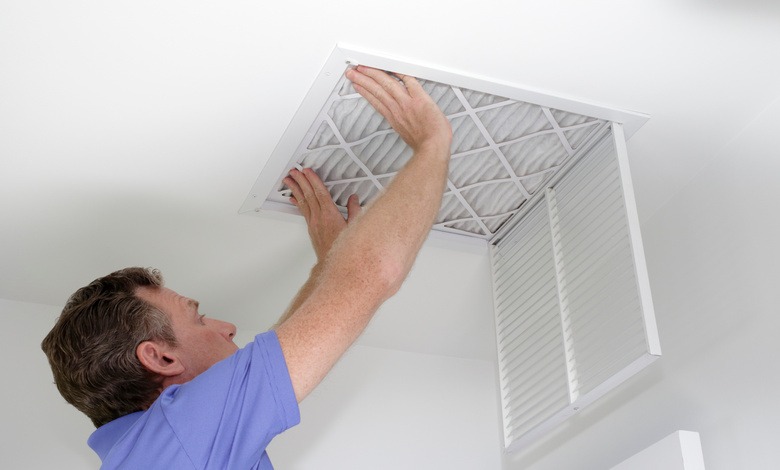
Your HVAC system is your first line of defense against airborne particles, but it’s only as good as its filter. Standard filters may not be sufficient to capture smaller pollutants like dust, pollen, and other allergens. Upgrading to high-efficiency particulate air (HEPA) filters can make a substantial difference, as they trap a much wider range of particles. It is also crucial to establish a consistent maintenance schedule. Many businesses make the mistake of neglecting air filter maintenance, which can lead to reduced efficiency and a decline in air quality over time.
Step 3: Bring in Air-Purifying Plants
Adding greenery to your office does more than just enhance the aesthetic—it can also help clean the air. Certain indoor plants are known for their natural ability to filter out common workplace toxins. Species such as snake plants, spider plants, and peace lilies are excellent choices because they are low-maintenance and effective at removing pollutants. Placing a few plants around the office is an easy and visually appealing way to support cleaner air and boost employee well-being.


Step 4: Implement Regular Cleaning Routines
Dust, allergens, and other particulates settle on surfaces throughout the office and can be recirculated into the air. Establishing a thorough and consistent cleaning routine is key to managing indoor air quality. This should include regular vacuuming with a HEPA-filter-equipped machine, dusting surfaces with microfiber cloths that trap particles, and keeping workspaces clutter-free to prevent dust buildup. A clean office is a visible sign of a healthy workplace, contributing to better air and a more professional atmosphere.
By taking these simple steps to improve indoor air quality in the workplace, you can create an environment that supports the health and productivity of your employees. Consistent ventilation, proper filter maintenance, the addition of plants, and regular cleaning are small changes that yield significant results.