
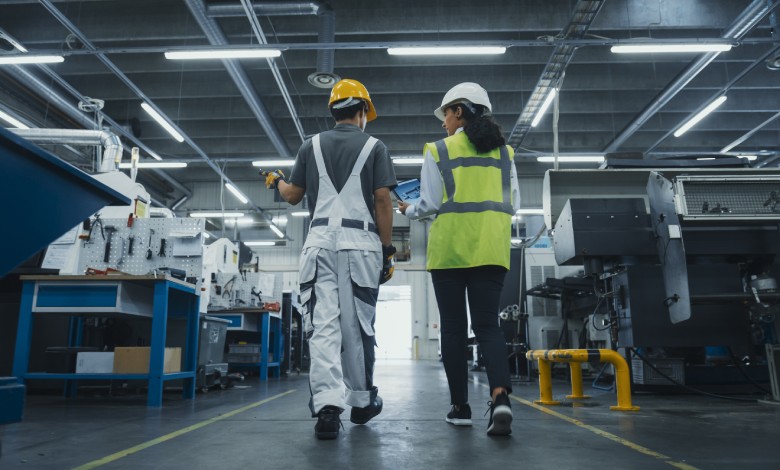
Ways to Prevent Equipment Corrosion in Your Industrial Plant
Corrosion can be a costly challenge for industrial plants, leading to equipment deterioration, unplanned downtimes, and significant financial losses. Implementing the right strategies and preventive measures can prolong the lifespan of your machinery, ensure operational efficiency, and save you from expensive repairs or replacements. Let’s explore some effective methods to help protect your equipment from corrosion so you can avoid any unnecessary maintenance or inefficiencies.
Regular Equipment Maintenance
One of the most reliable ways to prevent corrosion is through regular maintenance. Routine inspections allow you to identify early signs of rust, pitting, or other corrosion issues before they become severe.
Cleaning machinery regularly to remove dirt, grime, and corrosive substances, such as chemicals or moisture, can greatly reduce the risk of corrosion. Maintaining proper lubrication for moving parts also helps prevent contact-related wear and tear, which can expose materials to potential corrosion.
Implementing Environmental Controls
The surrounding environment plays a significant role in accelerating corrosion, and controlling factors like humidity, temperature, and air pollutants can go a long way in preventing this issue.

Industrial plants located near coastal areas are especially vulnerable to salt-laden air, which accelerates rust formation. Installing dehumidifiers or desiccant systems can help regulate moisture levels and reduce the risk of corrosion caused by condensation. Similarly, maintaining proper ventilation and isolating equipment from harsh environments when possible can help safeguard its integrity.
Using Protective Coatings
Applying protective coatings is an essential solution to preventing corrosion in industrial equipment. Coatings act as a barrier between the equipment surface and external corrosive elements, such as water, oxygen, and chemicals.
When looking for the best coating solutions for your needs, it’s best to understand how Cerakote coatings perform compared to more traditional ones. One may be better for your operations, and you’ll want to know which one is best for your facility.
Selecting Corrosion-Resistant Materials
Investing in materials that are inherently resistant to corrosion is another effective strategy. Stainless steel, aluminum, and certain alloys are designed to withstand harsh conditions and are particularly suitable for industrial equipment in chemical, high-humidity, or saline environments.
While initial costs may be higher than traditional materials, their durability and resistance to corrosion make them a cost-effective choice in the long run.
Employee Training and Awareness
Creating a culture of awareness within the workforce is key to ensuring that these anti-corrosion measures are consistently implemented.
Training employees to identify early warning signs of corrosion, understand the importance of cleaning and protective upkeep, and follow best practices for equipment use can have a significant impact on prevention efforts. Education also ensures that operators and technicians know how to handle equipment correctly to avoid unnecessary exposure to corrosive elements.
Keep Your Equipment Pristine
Industrial plants can greatly benefit from a multi-faceted approach to corrosion prevention. Combining regular maintenance, environmental controls, protective coatings, corrosion-resistant materials, and other preventive techniques will not only enhance equipment reliability but also reduce downtime and operational costs. By knowing all the best ways to prevent equipment corrosion in your industrial plant, you’ll be able to support optimal performance and long-term success.