Avoiding Common Mistakes in Metalworking Projects
Metalwork demands precision, patience, and a deep respect for the materials and tools involved in the process. A successful project starts long before the first cut, requiring thoughtful attention to blueprints, material selection, and the specific properties of the chosen metal alloy.
Errors often arise from simple oversights, such as miscalculating measurements or neglecting to account for the kerf width when cutting stock material. Avoiding common mistakes in metalworking projects will ensure your work remains safe, accurate, and professional.
Incorrect Material Selection
You must evaluate the specific properties of each metal type because choosing the wrong alloy often leads to immediate structural failure under stress. Carbon steel might offer strength, but aluminum provides better corrosion resistance for outdoor applications that face constant exposure to rain or humidity. Always verify the grade of steel or aluminum against your project requirements to ensure the final piece withstands its intended operational load.
Neglect of Safety Protocols
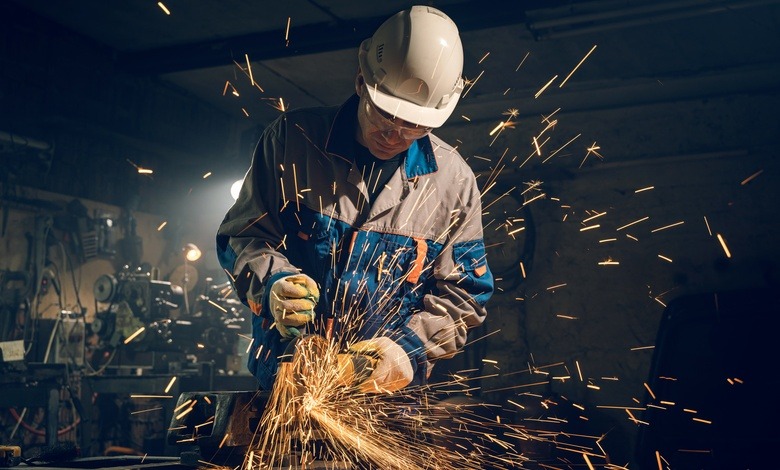
Workshops pose numerous hazards that require constant vigilance, so you must always wear appropriate personal protective equipment, such as safety glasses and flame-resistant gloves. Learning the basic industrial saw safety rules everyone should know can help prevent severe injuries that occur when operators lose focus or attempt dangerous shortcuts near moving blades. Proper ventilation is another major concern, as fumes from welding or plasma cutting pose serious long-term respiratory health risks.


Poor Measurement Accuracy
Precision is the hallmark of quality fabrication, so you must measure twice before you cut once to avoid costly waste of expensive stock. Using a high-quality scribe or soapstone marker ensures your lines remain visible and thin enough to guide your cutting tools with exactness. You should always factor in this material loss during the layout phase to guarantee that all components fit together perfectly during assembly.
Inadequate Tool Maintenance
Dull blades and worn drill bits cause excessive heat buildup, which damages the tool and the metal workpiece you labor to create. You must inspect your equipment before every use to ensure sharp edges and proper alignment for clean, professional cuts that require less cleanup. Regular lubrication of moving parts prevents rust and seizure, extending the operational life of your expensive machinery and ensuring consistent performance over time.
Ignoring Heat Distortion
Heat causes metal to expand and contract, so you must manage thermal input carefully to prevent the workpiece from warping. Welding in short stitches rather than long, continuous beads helps distribute heat more evenly across the joint and reduces stress concentrations. You should allow the metal to cool naturally instead of quenching it with water, which often makes the material brittle and prone to cracks.
Mastering metalwork requires more than skilled hands; it demands a disciplined approach to planning, safety, and execution. By avoiding these common errors in metalworking projects, you elevate the quality of your output and ensure a safer, more efficient workshop environment. Remember that patience is your greatest asset when working with stubborn materials that forgive few mistakes.