
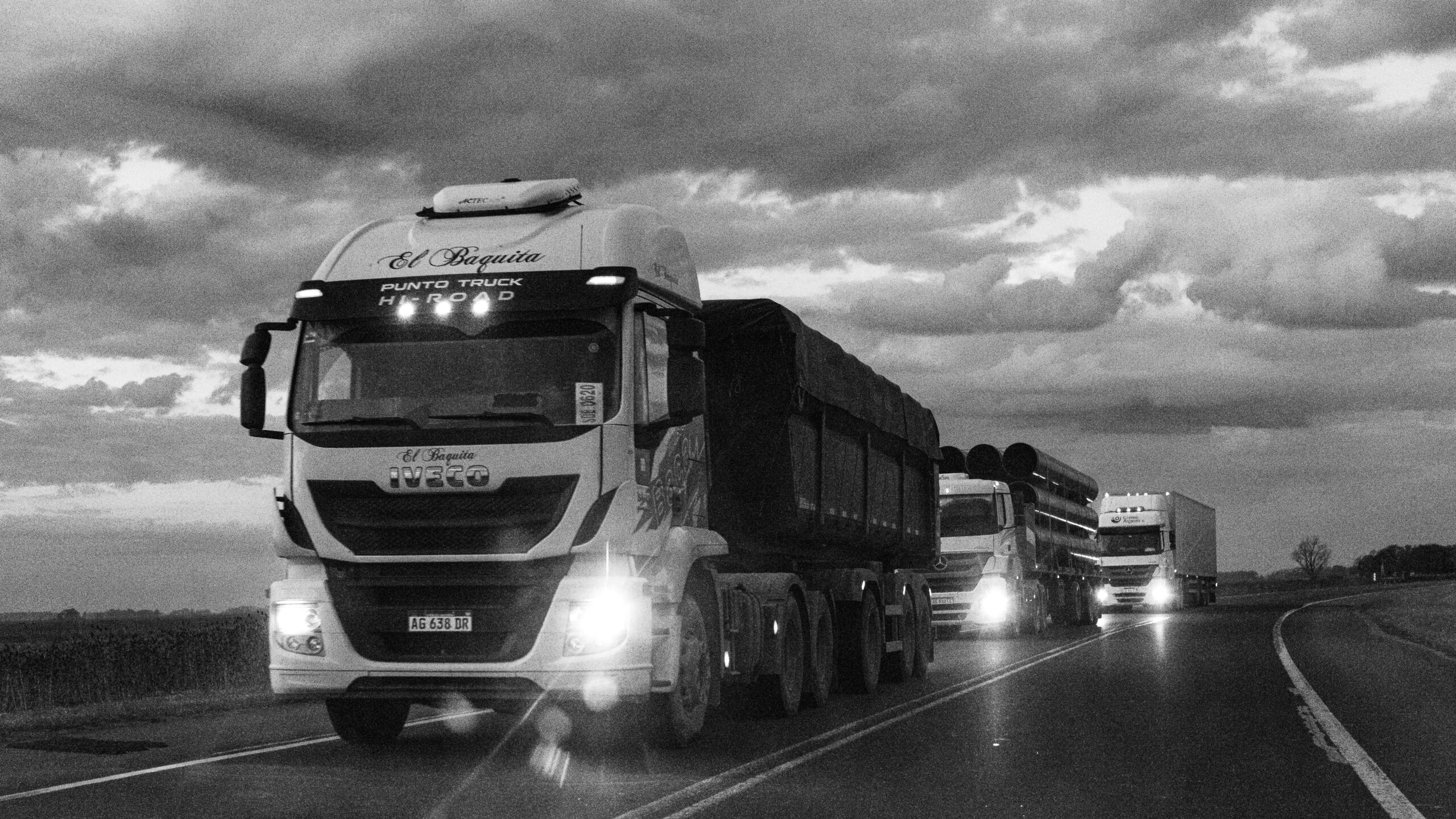
Keeping Your Freight Business Safe
If you run a freight business, or a company that hauls freight as part of what it does, then you will probably understand there are many potential safety pitfalls that come with freight operations, and many of them can be potentially quite serious and have the ability to take your business down with them if you are not careful. That is why it is so very important that you do all you can to keep your freight operations safe. Below, you will find some key measures that will help you do just that.
Plan, Plan and Plan Some More
One of the most important aspects of freight safety is proper planning. Clear routes, accurate documentation, and realistic timelines help prevent delays and confusion. Dispatchers and logistics managers should ensure that drivers have all the information they need before a shipment begins, including load details, delivery instructions, and emergency contacts. When everyone understands their role, operations tend to run more efficiently and safely.
Take Driver Safety Seriously
As an employer, it is your duty to ensure that your staff are as safe as possible when on the job, and this is particularly important when it comes to drivers who are moving your hauls across the country.
Well-trained drivers are better equipped to handle unexpected situations on the road, from poor weather conditions to sudden traffic changes. Regular training on defensive driving, fatigue management, and cargo handling can significantly reduce accident risks. Encouraging drivers to follow hours-of-service regulations and take regular breaks not only protects them but also helps prevent costly incidents caused by exhaustion.


Keep Your Cargo Secure
Securing cargo properly is essential to preventing damage, theft, and liability issues. Loads should be balanced, tied down correctly, and checked regularly throughout transit. Using seals, locks, and tracking technology can help deter theft and provide peace of mind. GPS tracking and real-time monitoring systems also make it easier to respond quickly if something goes wrong during transport.
Tech Helps a Freight Business
Technology plays an increasingly important role in freight safety. Transportation management systems, electronic logging devices, and real-time communication tools allow companies to monitor shipments, track driver behavior, and identify potential issues before they escalate. Investing in the right technology can improve visibility across your operations and help you make more informed decisions.
Insurance is Important
Insurance is another key component of a safe freight operation. Even with strong safety measures in place, accidents and unforeseen events can still happen. Having the right coverage helps protect your business from financial loss and legal exposure. For brokers in particular, freight broker insurance is essential, as it can cover liabilities arising from cargo damage, errors and omissions, and other operational risks. Proper insurance coverage ensures that a single incident doesn’t threaten the long-term stability of your business.
Keep Compliant
Compliance with regulations should never be overlooked. Freight operations must comply with federal, state, and industry-specific rules governing safety, licensing, and documentation. Staying up to date with regulatory changes and conducting regular audits can help prevent fines, delays, and legal complications.