
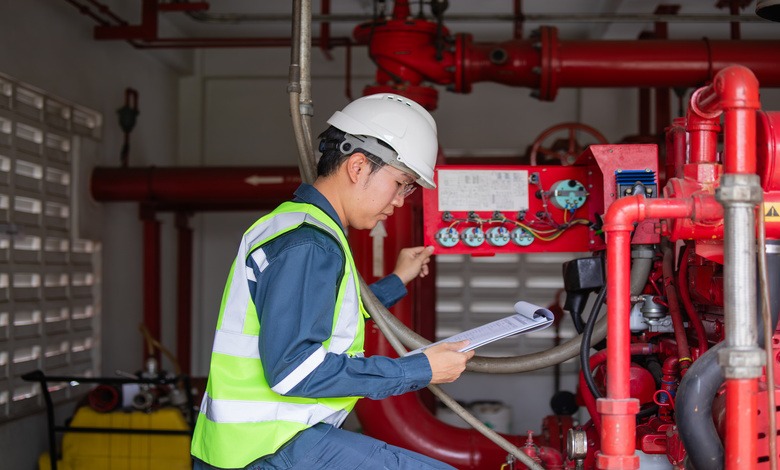
Energy-Saving Tips for High-Pressure Pump Operations
Running high-pressure pump systems can drive up energy costs if you aren’t careful. Small tweaks in how you operate and maintain your equipment can quickly pay off. Smart operators use energy-saving tips for high-pressure pump operations to cut waste and keep things running smoothly. Saving energy doesn’t have to be complicated when you target the right steps.
Match the Pump to the Demand
Oversized pumps waste energy by throttling flow or bypassing excess pressure. Review your system requirements carefully. If a pump consistently operates far below its best efficiency point (BEP), consider downsizing the unit or trimming the impeller. Operating near the BEP maximizes hydraulic efficiency and reduces unnecessary stress on internal components.
Install Variable Frequency Drives (VFDs)
Fixed-speed pumps run at full capacity regardless of the actual flow required. A variable-frequency drive adjusts the motor speed to match current process demands. This modification noticeably drops power consumption because pump power varies with the cube of the speed. Slowing a motor by just 20% can cut energy usage by nearly half.
Optimize System Components
Every component in the line contributes to friction loss and pressure drops. Using smooth pipes and minimizing sharp bends helps fluid move with less resistance. Material selection also plays a role in overall efficiency. For example, plastic valves are a smart choice for vacuum pump systems because they provide excellent corrosion resistance and tight sealing capabilities without adding unnecessary weight.


Eliminate Leaks Promptly
High-pressure systems lose tremendous energy through even pinhole leaks. A small drip might seem negligible, but at high pressures, it represents wasted horsepower. Regular inspections of seals, gaskets, and pipe joints prevent these unnecessary losses. Fixing leaks immediately maintains system pressure without forcing the pump to work harder to compensate for the lost fluid.
Maintain Regular Service Schedules
Worn components like bearings and seals increase mechanical friction. This friction forces the motor to draw more current to maintain the same performance. Lubricating moving parts and replacing worn impellers keep the system running smoothly. A well-maintained pump converts more electrical energy into hydraulic power rather than heat and noise.
Embracing innovation in daily pump operations brings both immediate and long-term benefits for any facility. Applying an improvement mindset opens the door to better resource management and greater equipment reliability. With energy-saving tips for high-pressure pump operations, each small adjustment can lead to lasting positive change.