
Biohazards That Can Be Involved in Hoarding Cleanup
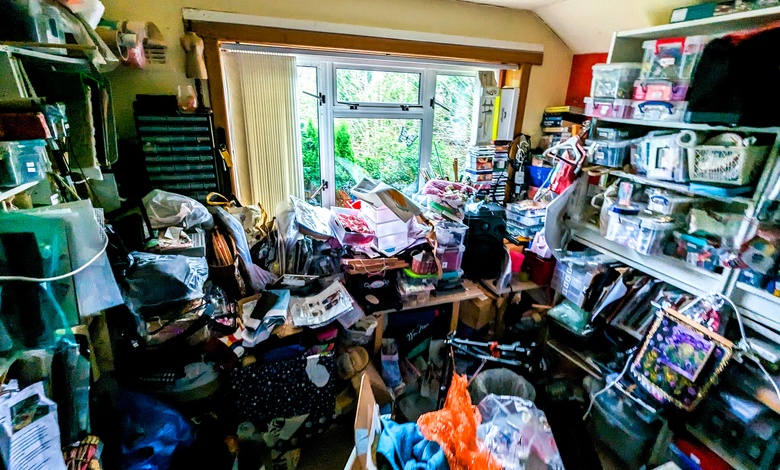
Hoarding situations often involve far more than clutter. Hoarding cleanup frequently involves biohazards that pose serious health risks, including bacteria, mold, human and animal waste, and decomposing materials. Understanding these risks helps explain why hoarding cleanup is not a typical DIY project and why professional biohazard protocols matter.
Why Hoarding Environments Become Biohazardous
Hoarding limits airflow, blocks access to plumbing and sanitation, and allows waste to accumulate over long periods of time. As items pile up, spills, spoiled food, and moisture become trapped and create ideal conditions for biological contamination. Because these environments may look deceptively “dry” or stable, many hazards are invisible until outside forces disturb these materials.
Common Biohazards Found During Hoarding Cleanup
Mold and Fungal Growth
Excess moisture from leaks, condensation, or poor ventilation often leads to mold growth behind walls, under piles, or inside furniture. Mold spores can trigger respiratory problems, allergic reactions, and asthma, especially when disturbed during cleanup.
Bacteria and Pathogens
Rotting food, soiled surfaces, and stagnant waste can harbor bacteria such as E. coli, Salmonella, and Staphylococcus. These pathogens may spread through direct contact or airborne particles once cleanup begins.


Animal Waste and Decomposition
Hoarded homes sometimes contain rodent infestations, deceased animals, or excessive pet waste. Animal feces, urine, and remains can transmit diseases such as hantavirus and leptospirosis.
Pests and Insects
Cockroaches, flies, fleas, and mites thrive in hoarding environments. These pests can spread bacteria and parasites while making cleanup more hazardous and complex.
Airborne Risks During Cleanup
When moving hoarded homes and properties, biohazards that were previously contained can become airborne. Homeowners or visitors can inhale dust mixed with mold spores, bacteria, and dried waste particles without proper respiratory protection, increasing the risk of illness. This is one reason trained cleanup teams follow strict containment and ventilation procedures.
Why Professional Biohazard Training Matters
Hoarding cleanup professionals are trained to recognize and safely manage these risks using protective equipment, disinfectants, and regulated disposal methods. Their training helps ensure contaminants are removed without spreading exposure to occupants or neighbors.
Hoarding cleanup often involves hidden biohazards that can seriously impact health if not handled correctly. From mold and bacteria to waste and pest-related risks, these environments require more than basic cleaning. Understanding the potential dangers helps families and property owners make informed, safer decisions about cleanup and recovery.