
Common Problems in Freeze Drying and How To Solve Them
Freeze drying preserves food, pharmaceuticals, and other important consumer products. Yet, the process can hit a few roadblocks. From unexpected moisture to equipment hiccups, various issues can arise that might threaten the final product’s quality. Today, we’ll discuss common problems in freeze drying and how to solve them.
Uneven Drying
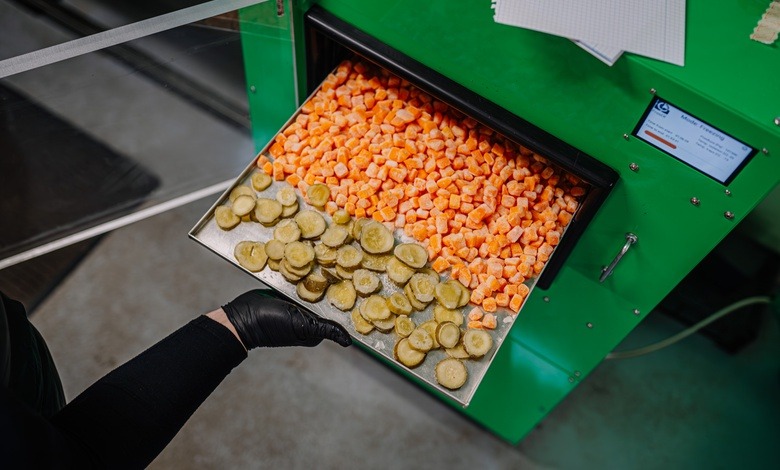
Uneven drying means some portions of a product retain moisture while others dry perfectly. This can happen due to improper loading on the shelves or inconsistent temperature distribution.
The first step to solve this issue is checking the loading configuration. Make sure you space products evenly across the shelves, allowing uniform air and temperature flow. Additionally, monitor the temperature closely during the cycle.
If uneven loading becomes a habit, products can collapse or degrade post-drying. Always double-check your setup before running another cycle to avoid these mistakes.


Vacuum Leaks
Vacuum leaks are a common freeze-drying problem that affect efficiency and product quality. Leaks can occur due to wear in the hoses, valves, or gaskets.
Regularly inspect these parts and replace damaged ones promptly to maintain airtight seals. If pressure struggles persist, perform a helium leak test to identify hard-to-spot issues.
Addressing leaks as soon as they appear ensures smoother cycles and protects your equipment from long-term damage.
Product Collapse
Product collapse results from layers melting during the drying process. Overheating, especially during the sublimation phase, can cause this problem.
To address it, reduce the shelf temperature during the primary drying phase. A slower drying cycle might feel like a hassle, but it prevents structural integrity loss.
Using trial batches to tweak and test these parameters is also an excellent strategy. Minor adjustments in how you control temperature and pressure can ensure that your product retains its shape and function.
Melt Back
Melt back occurs when ice within the product partially thaws and rehydrates the material during the freeze-drying process. This usually results from improper condenser temperatures or pressure fluctuations.
However, the solution starts with maintaining appropriate condenser temperatures throughout the cycle. Additionally, make sure your vacuum pressure doesn’t rise too high, as this could destabilize the product. For more detailed information, explore this post on preventing melt back in your freeze dryer.
Contamination
Contaminants in the freeze-drying chamber compromise quality and safety. Whether from poor maintenance or environmental exposure, contaminants like oils, dust, or microbes can slip into the product.
You can avoid this through stringent cleaning protocols before and after cycles. Swap out old gaskets and filters regularly and ensure all personnel handling the equipment follow hygiene standards.
If contamination becomes recurring, it may signal aging or malfunction in your equipment seals. Taking care of this maintenance ensures a cleaner and safer drying process.