
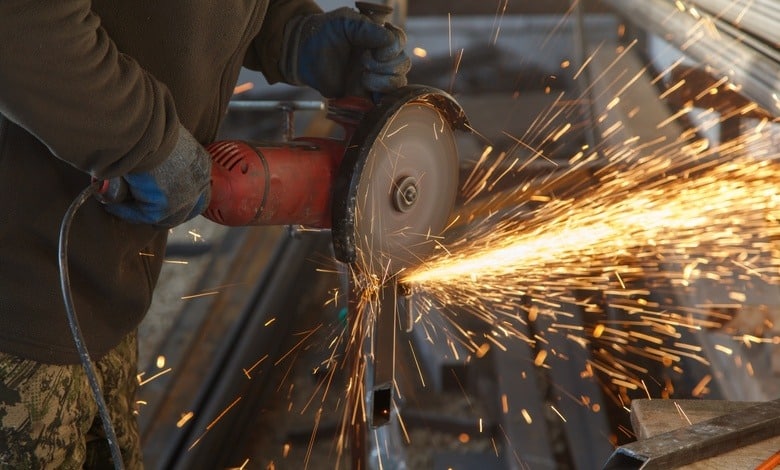
5 Tips for Safer Tool Use in Your Workshop
A workshop offers a space for creativity and skill development, but it also contains powerful tools that require respect and proper handling. Following safe practices helps protect you and others from injury.
Following these five tips for safer tool use in your workshop can make your projects more enjoyable and secure.
Read and Understand Your Manuals
Every tool comes with a manufacturer’s manual for a reason. These guides contain specific operating instructions, safety warnings, and maintenance schedules. Before you plug in a new saw or fire up a drill, take the time to read through the manual.
It outlines the tool’s capabilities and limitations, helping you avoid misuse that could lead to accidents or damage to the equipment. Keep manuals in an accessible place for future reference.


Keep Your Workspace Organized
A cluttered workshop creates numerous hazards. Loose materials on the floor can cause trips and falls, while a disorganized workbench makes it challenging to work efficiently. A clean and orderly space allows for free movement and clear visibility.
- Clear the Floors: Keep pathways free of cords, scrap materials, and tools.
- Organize Your Bench: Return tools to their designated storage spots after use.
- Manage Dust: Use a dust collection system or regularly sweep to maintain air quality and reduce fire risks.
Wear Appropriate Protective Gear
Personal Protective Equipment (PPE) serves as the initial barrier to protect workers from potential hazards on the job. While the specific gear needed can vary by activity, certain key items are commonly advised for a wide range of tasks.
- Eye Protection: Safety goggles protect your eyes from wood chips, dust and any other flying debris.
- Hearing Protection: Earmuffs or earplugs prevent hearing damage caused by loud machinery like saws and routers.
- Hand Protection: Gloves safeguard your hands from splinters and minor cuts, but avoid wearing them when using tools with spinning blades, such as table saws, as they can get caught.
Maintain Your Tools
Well-maintained tools function more effectively and safely. A dull blade requires more force to cut, which increases the chance of a slip or kickback. Regularly inspect your equipment for any signs of wear or damage. Proper maintenance also allows you to extend the lifespan of your carbide blade, saving you money and improving cut quality.
Quick Maintenance Checks
- Inspect power cords for frays or damage.
- Check blades and bits for dullness or chipping.
- Clean resin and debris buildup from cutting tools.
- Confirm all safety guards operate correctly.
Practice Safe Operating Procedures
Develop consistent and safe habits for operating your machinery. Always disconnect power before changing blades or making adjustments. Give the tool your full attention, avoiding distractions while it’s in operation. By following these tips for safer tool use in your workshop, you establish a secure environment for all your projects.