Why Automated Crimping Machines Surpass Manual Crimping
Crimping is a fundamental process in many industries, from automotive to electronics. It involves joining two pieces of material, typically a wire and a connector, by deforming one or both to hold the other. This connection must be secure and reliable to ensure the final product functions correctly.
For decades, manufacturers have used both manual hand tools and sophisticated automated machines to perform this task. While both methods have their place, below we’ll outline why automated crimping machines surpass manual crimping in speed, accuracy, and cost-effectiveness.
The Manual Crimping Process
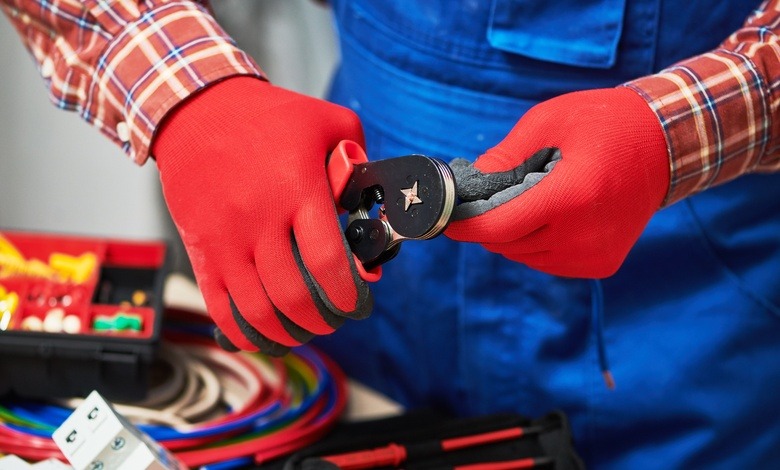
Manual crimping relies on handheld tools and the skill of a human operator. The operator positions the wire and terminal in the tool and applies physical force to create the crimp. This method offers a low initial investment and is portable, making it useful for field repairs or tiny production runs.
However, the quality of the crimp depends on the operator’s strength and consistency. Fatigue can cause variations in quality, and the process is inherently slow, making it unsuitable for high-volume production. The risk of human error is high, potentially causing unreliable connections and product failures.


The Rise of Automated Crimping
Automated crimping machines transform the process with advanced mechanics and control systems to perform the crimping action. An operator may load the wire and terminals, but the machine crimps them with pre-programmed force and precision. These machines handle the entire sequence —from wire stripping to the final crimp —with minimal human intervention.
Comparing Manual vs. Automated Crimping
Now that we understand more about both methods, why do automated crimping machines surpass manual crimping? Automatic crimpers deliver greater speed without sacrificing crimping quality.
Speed and Efficiency
Speed is the most notable difference between manual and automated crimping methods. An automated crimping machine can perform hundreds or even thousands of crimps per hour, a rate that a human operator cannot match.
This dramatic increase in output allows companies to meet demanding production schedules and scale their operations effectively. By automating this task, businesses can reallocate workers and resources to more complex and valuable activities.
Accuracy and Consistency
When it comes to crimping quality, consistent crimping pressure matters, and, in this area again, automated machines exceed manual crimping tools. Automatic crimpers perform each crimp with the same precise force and positioning, eliminating the inconsistencies common in manual work.
Uniformity is critical for applications where connection integrity is non-negotiable, such as in aerospace or medical devices. The result is a higher-quality product with a significantly lower failure rate.
Long-Term Cost-Effectiveness
While the upfront cost of an automated machine is greater than that of a hand tool, the return on investment is clear. Increased production speed, reduced labor costs, and lower defect rates contribute to significant long-term savings. By minimizing waste and rework, automated crimping makes the entire manufacturing process more cost-effective and efficient.
The Clear Choice for Modern Manufacturing
For any business looking to enhance productivity, improve product quality, and achieve a competitive edge, the choice is clear. Automated crimping machines outperform manual methods across critical metrics, including speed, accuracy, consistency, and overall cost-effectiveness. Investing in automation is an investment in the future, ensuring your reliability and growth for your manufacturing processes.