How Reusable Containers Support Green Manufacturing
Manufacturers constantly look for creative ways to make their processes greener. One proven solution is to choose containers designed to be used again and again, rather than thrown away after one trip. In practical terms, how reusable containers support green manufacturing comes down to less waste, smarter resource use, and fewer surprises on the loading dock. Rethinking packaging can yield results that benefit both the bottom line and the planet.
Reducing Waste and Environmental Impact
The most direct benefit of reusable containers is the substantial reduction in waste. Single-use packaging, like cardboard boxes or plastic wrap, is discarded after just one trip. Consequently, this creates a constant stream of refuse that ends up in landfills.
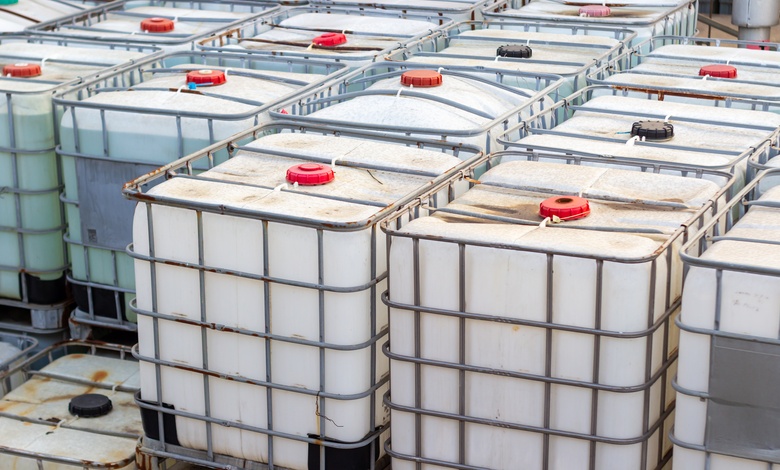
Reusable containers, typically made from durable materials like metal or hard plastic, can be used hundreds or even thousands of times. This longevity drastically reduces the raw materials, energy, and water needed to produce new packaging for every shipment.
Cutting Operational Costs
While the initial investment in reusable containers may be higher, they deliver long-term savings. Companies can eliminate the recurring expense of purchasing disposable packaging.


Additionally, the design of many reusable containers is to be stackable and standardized, which optimizes warehouse space and transport loads. Fewer, more efficient shipments mean lower fuel consumption and reduced carbon emissions, directly contributing to a company’s financial and environmental goals.
Enhancing Product Protection
Reusable containers offer superior protection for goods during transit. Their sturdy construction guards against damage from impacts and moisture. Better product protection means fewer damaged goods, which reduces the waste associated with producing replacements.
Enhancing protection also minimizes the resources and energy expended on reverse logistics and reprocessing returns, further supporting a lean and green operation. Understanding the entire lifecycle of a metal IBC from production to reuse illustrates just how durable and protective these systems are.
Looking ahead, reusable containers could transform how manufacturers approach logistics partnerships and material sourcing. As industry standards evolve, companies focusing on how reusable containers support green manufacturing may find themselves setting new benchmarks for responsibility and innovation. These shifts encourage further collaboration across the supply chain and foster a stronger commitment to long-term environmental goals.