Tips for Maintaining the Undercarriage of Heavy Machinery
The undercarriage of heavy machinery plays an important role in overall performance and operational efficiency. Neglecting its maintenance can result in expensive repairs, slower operations, and downtime that halts productivity.
By focusing on proper care and upkeep, business owners can ensure their equipment operates at peak performance for longer periods. Here are four practical tips for maintaining the undercarriage of heavy machinery to maximize its lifespan.
Regular Cleaning and Inspection
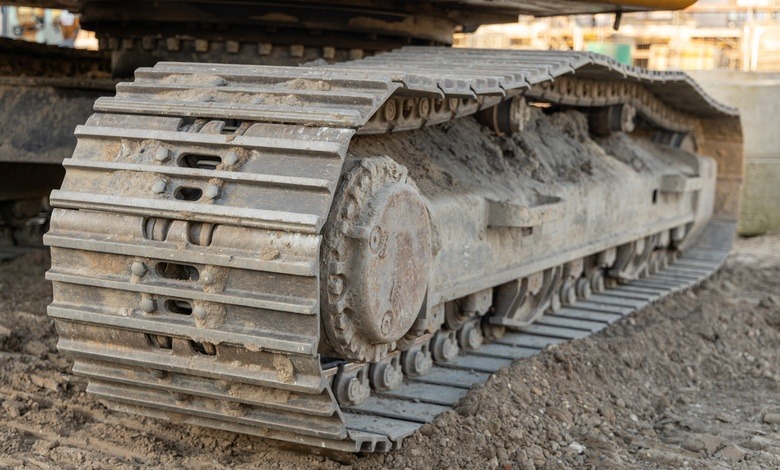
Debris such as dirt, rocks, and mud can build up in the undercarriage, causing premature wear on key components. Regular cleaning prevents this buildup and allows for detailed inspections that can catch potential problems early.
After each use, use tools to safely dislodge packed materials and hoses to clean hard-to-reach areas. During inspections, look for signs of damage, such as cracks or worn parts, focusing on rollers, idlers, and sprockets. Consistent cleaning and inspections allow you to address minor issues before they escalate into expensive repairs.

Proper Lubrication
Heavy machinery relies on its moving parts working together smoothly, and lubrication is essential for reducing friction and wear. Applying the right type of grease at regular intervals helps protect components such as bushings and pins from excess exposure to moisture and abrasive materials.
Insufficient lubrication can result in unnecessary wear, overheating, and eventual part failure. Following the manufacturer’s recommendations for the right frequency and type of lubricants ensures the longevity of your equipment while minimizing unexpected breakdowns.
Monitoring Track Tension
Track tension directly affects the performance and lifespan of your heavy machinery’s undercarriage. Overly tight tracks can generate excessive stress on components, while loose tracks may derail during operation and damage other parts.
Always follow the manufacturer’s guidelines when adjusting tension, and consider the terrain where the machine operates. For instance, loose tracks are generally better suited for soft surfaces, while firmer track tension is ideal for rugged, rocky environments. Regularly monitoring and adjusting track tension is an important way to improve undercarriage efficiency.
Training Operators on Best Practices
The way workers operate machinery influences the quality of undercarriage maintenance. Proper training equips operators with the knowledge to reduce wear by utilizing equipment correctly.
For example, avoiding unnecessary sharp turns and limiting track spinning minimizes stress on key components. Operators should also know how to recognize early warning signs of wear or damage. Empowering your team with this knowledge ensures consistency in day-to-day practices, resulting in increased equipment durability.
A well-maintained undercarriage improves operational efficiency and saves money on repair and replacement costs over time. Protecting your investment by incorporating these strategies into your maintenance routine ensures your machinery will continue to operate effectively for years to come. Start implementing these tips for maintaining the undercarriage of heavy machinery today to keep your equipment running smoothly.