The Critical Role of Respiratory Protection During Wildfires
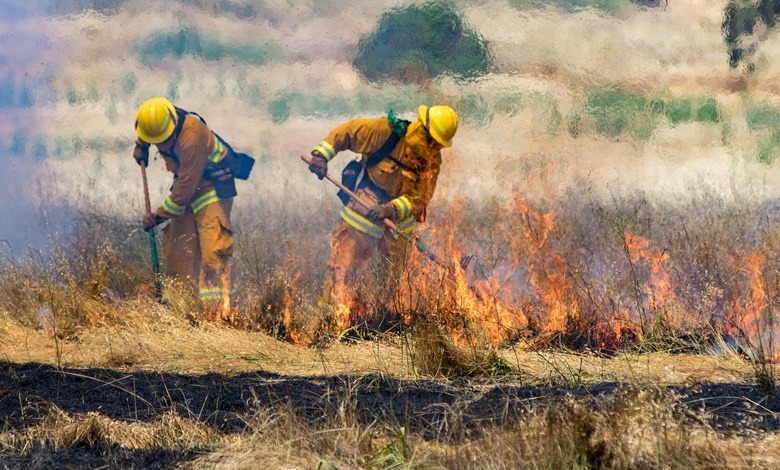
Wildfires pose dangers that extend far beyond visible flames and scorching heat. While firefighters focus on suppressing blazes and protecting communities, an invisible threat infiltrates the air around them. Smoke carries a deadly cocktail of toxins that can cause immediate harm and lasting health consequences.
Understanding the critical role of respiratory protection during wildfires becomes essential for every firefighter who enters these hazardous environments.
Understanding the Hazards of Wildfire Smoke
Wildfire smoke presents complex dangers that extend well beyond what is visible to the naked eye.
Composition of Wildfire Smoke
Wildfire smoke contains far more than water vapor and carbon dioxide. This toxic mixture includes carbon monoxide, formaldehyde, benzene, and countless particulate matter fragments. These microscopic particles penetrate deep into lung tissue, while gases like hydrogen cyanide and acrolein cause immediate respiratory distress.
Associated Health Risks
Short-term exposure triggers coughing fits, burning eyes, and labored breathing. Firefighters often dismiss these symptoms as minor inconveniences. However, repeated exposure leads to chronic respiratory conditions, reduced lung capacity, and increased cancer risks. Studies show wildland firefighters face significantly higher rates of respiratory diseases compared to the general population.
Why Respiratory Protection Is Essential
Wildland firefighting presents unique challenges that distinguish it from structural firefighting. Firefighters work in open environments where wind patterns shift unpredictably, smoke concentrations vary dramatically, and exposure duration extends for hours or days. Natural barriers like distance or elevation changes provide unreliable protection against airborne toxins.
Respiratory protection equipment minimizes exposure to harmful substances while maintaining the mobility firefighters need. This equipment serves as the primary defense against invisible threats that accumulate in lung tissue over time.
Types of Respiratory Protection Available
Standard industrial masks and structural firefighting respirators prove inadequate for wildland operations. These heavy, cumbersome devices restrict movement and impair communication during critical operations. Wildland firefighters require specialized equipment designed for extended outdoor use.
Appropriate options include certified particulate respirators and lightweight filtering devices that balance protection with breathability. These systems filter harmful particles while allowing sufficient airflow for strenuous physical activity. Advanced models incorporate voice transmission capabilities that maintain communication effectiveness.
Best Practices for Using Respiratory Protection
Proper equipment fit determines protection effectiveness. Facial hair, incorrect sizing, or damaged seals compromise respiratory protection completely. Firefighters must perform fit tests before deployment and inspect equipment regularly for wear or damage.
Maintenance protocols ensure consistent performance throughout extended operations. Clean equipment after each use, replace filters according to manufacturer specifications, and store devices in protective cases. Deploy respiratory protection during initial attack operations, mop-up activities, and whenever smoke density increases or visibility concerns arise.
Additional Resources and Information
Comprehensive information about smoke exposure risks and safety measures provides deeper insights into protecting firefighter health. Ongoing education programs help crews recognize exposure symptoms and implement protective strategies effectively.
Safeguarding Your Firefighting Future
The critical role of respiratory protection during wildfires is important for maintaining firefighter health and operational capability. Damaged lungs compromise both personal well-being and professional effectiveness during critical emergency responses.
Commit to using proper respiratory protection during every wildland operation. Your lungs represent irreplaceable assets that determine both career longevity and quality of life after service.