4 Ways the Dairy Industry Prevents Contamination Risks
The dairy industry must always be strident and proactive in its sanitation measures to avoid contamination of its products. From bacterial outbreaks to chemical residues, contamination can occur at every stage of production.
Dairy products utilize various sophisticated systems and protocols to protect consumers and maintain product integrity. Below, we’ll explain some of the ways the dairy industry prevents contamination risks, including with filtration systems, real-time monitoring technology, and more.
Advanced Filtration Systems
Modern dairy facilities deploy sophisticated filtration systems that act as critical barriers against pathogens and contaminants. These systems utilize multiple filtration stages, including microfiltration and ultrafiltration, to remove bacteria, spores, and other harmful microorganisms from milk without affecting its nutritional value.
The filtration process works by passing milk through membranes with precise pore sizes that trap contaminants while allowing beneficial components to pass through. Many facilities also utilize cross-flow filtration technology, which prevents membrane clogging and maintains consistent performance throughout production runs. These advanced systems can remove up to 99.9 percent of bacteria while preserving the taste and nutritional profile that consumers expect.


Stringent Sanitation Protocols
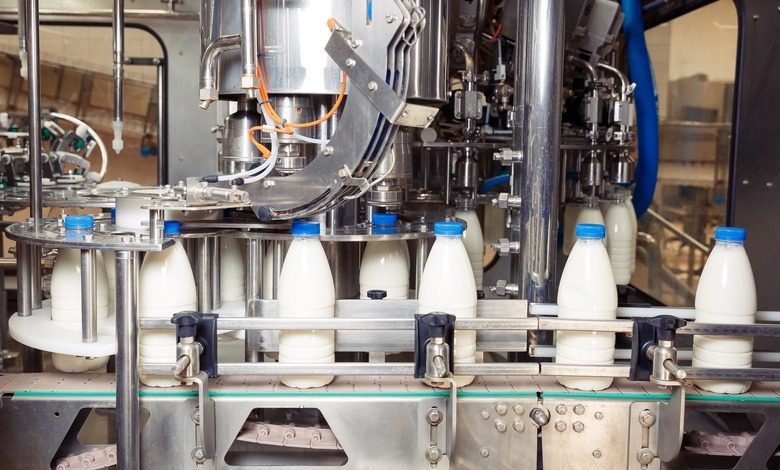
Another way that the dairy industry prevents contamination risks is with rigorous sanitation practices. Equipment undergoes clean-in-place (CIP) procedures between batches, using automated systems that circulate sanitizing solutions through pipes, tanks, and processing equipment. These protocols follow strict timing and temperature requirements to ensure complete elimination of bacterial residues.
Facilities typically operate on sanitation schedules that specify cleaning frequencies, chemical concentrations, and verification procedures. Workers follow protocols for personal hygiene, including clothing requirements and handwashing procedures that prevent human-borne contamination. Regular environmental monitoring captures surface samples from production areas to verify the effectiveness of these sanitation efforts.
Real-Time Monitoring Technology
The dairy industry has embraced sensor technology and data analytics to detect potential contamination before it compromises product safety. Modern facilities install sensors throughout production lines that continuously measure temperature, pH levels, and other critical parameters. These systems alert operators immediately when readings fall outside acceptable ranges, enabling rapid intervention.
Automation has also improved dairy contamination risk by minimizing manual handling and preventing external exposure to contaminants. Some facilities even implement artificial intelligence systems to analyze patterns in sensor data and predict potential contamination risks before they materialize.
Controlled Access and Biosecurity
Dairy facilities implement comprehensive biosecurity measures that limit exposure to external contamination sources. Access to production areas is on a need basis and restricts entry to only authorized personnel with specific training. Many facilities maintain positive air pressure in processing areas, which prevents outside air and potential contaminants from entering when doors open.
Vehicle traffic follows designated routes that keep trucks and equipment away from sensitive production zones. Visitor protocols require sign-in procedures, protective clothing, and, in some cases, quarantine periods for individuals who have recently visited other agricultural facilities.
Protecting Quality at Every Step
The dairy industry’s approach to contamination prevention demonstrates how modern food production balances efficiency with safety. These strategies work together to create redundant protective systems that catch potential problems at multiple points. For dairy processors looking to strengthen their contamination prevention programs, evaluating current practices against these industry standards provides a roadmap for improvement and ongoing excellence in food safety.