
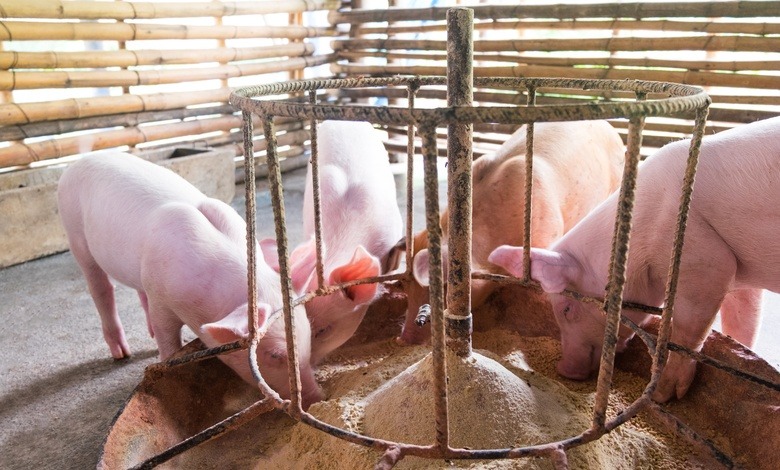
How To Build a Feeding Schedule for Pigs
A well-planned feeding schedule is essential for raising healthy, productive pigs. Whether you’re managing a commercial operation or caring for a few animals on your farm, establishing a consistent routine helps ensure proper growth, minimizes feed waste, and keeps your pigs healthy. Here’s what you need to know to create an effective pig feeding schedule.
Understanding Pig Nutritional Needs
When going over the dos and don’ts of operating a pig farm, you’ll quickly realize that pig diets aren’t exactly straightforward. They have varying dietary requirements depending on their age, weight, and purpose. For example, piglets need nutrient-dense feed high in protein to support rapid growth, while finishing pigs require a balanced diet to reach market weight efficiently. Breeding sows have different needs as well, particularly during gestation and lactation when their nutritional demands increase.
Regardless of the type of pigs you’re feeding, a balanced diet will be required. It should include adequate protein, carbohydrates, vitamins, and minerals. Young pigs typically need around 16-20% protein in their feed, while adult pigs do well on 12-14%. Always choose quality feed formulated for your pig’s specific life stage to support healthy development.
Determining Feeding Frequency
The most crucial part of building a feeding schedule for pigs is timing. Most pigs thrive on a twice-daily feeding schedule—once in the morning and once in the evening. This routine helps maintain steady energy levels and prevents overeating.


However, feeding frequency can vary. Piglets often benefit from more frequent, smaller meals to support their fast metabolism and growth rate. Nursing sows may need additional feedings to sustain milk production, while market-weight pigs usually do fine with the standard twice-daily approach. As long as you adjust your schedule based on the specific needs of your herd, you shouldn’t have anything to worry about.
Portion Control and Measuring Feed
Outside of timing, getting portion sizes right is crucial. Overfeeding leads to waste and can cause health issues like obesity, while underfeeding stunts growth and productivity.
As a general guideline, pigs eat about 3-5% of their body weight daily, depending on their age and stage of growth. Weigh your pigs regularly and adjust feed amounts accordingly. Use a scoop or scale to measure portions accurately, and keep records to track consumption patterns over time.
Incorporating Water into the Schedule
While food is important, it doesn’t mean much if your pigs aren’t receiving clean, fresh water. Pigs need constant access to water to stay hydrated, aid digestion, and regulate body temperature.
Make it a habit to check waterers during feeding times. This ensures your pigs always have enough to drink and helps you catch any equipment issues early. During hot weather, pigs drink significantly more, so be prepared to refill water sources more frequently. Outside of that, you shouldn’t have to disrupt feeding time too much to ensure your pigs have enough water.