Understanding Power Transmission in Industrial Applications
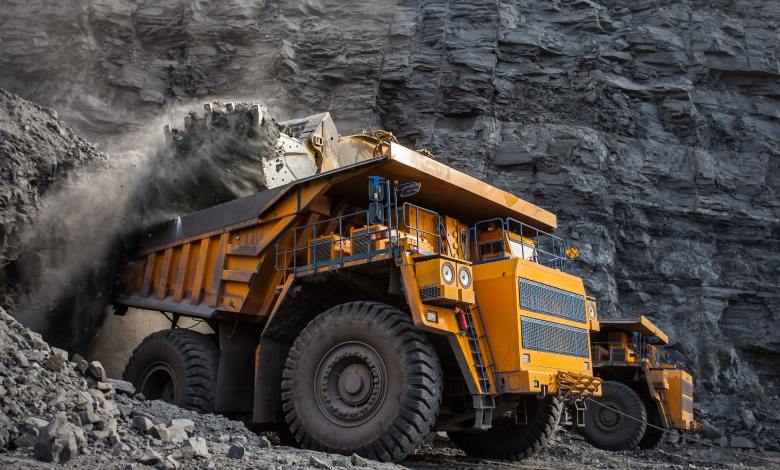
Reliable equipment is the backbone of mining operations. Without it, workers would be incapable of moving materials, digging, and transporting personnel.
Power transmissions are extremely valuable in industrial applications because they determine how well machinery performs under demanding conditions. When equipment fails or underperforms, operations stop. Choosing the right transmission system starts with knowing how different options work and which one fits your operation the best.
What Is Power Transmission?
Power transmission refers to the process of transferring mechanical energy from an engine or motor to the wheels or working components of a machine. In mining, this includes haul trucks, loaders, dozers, and other heavy equipment. The transmission system controls speed, torque, and direction. Operators can maneuver the equipment effectively across rough terrain with this technology.
Two main types of transmission systems dominate mining equipment: hydrostatic and mechanical. Each one offers advantages depending on the application, workload, and operating environment.


Hydrostatic Drivetrains
Hydrostatic drivetrains use hydraulic fluid to transfer power from the engine to the wheels. A hydraulic pump converts mechanical energy into fluid pressure, which then drives hydraulic motors connected to the axles. This system provides smooth, stepless speed control and excellent low-speed torque.
Operators appreciate hydrostatic systems for their ease of use. There’s no clutch or gear shifting required, which reduces operator fatigue during long shifts. The system also responds quickly to directional changes, making it ideal for tasks that require frequent stops, starts, and reversals. Maintenance tends to focus on fluid quality and component inspection rather than clutch adjustments or gear wear.
However, hydrostatic systems can be less fuel-efficient at high speeds. They also generate more heat, which may require additional cooling systems in hot climates or extended-use scenarios.
Mechanical Drivetrains
Mechanical drivetrains use gears, clutches, and shafts to transfer power. They excel in high-speed applications and are fuel efficient when traveling long distances.
Operators familiar with manual or automated transmissions will find mechanical systems straightforward. Modern versions include electronic controls that automate shifting, reducing driver workload while maintaining mechanical efficiency. These systems handle high torque loads well and perform reliably in extreme conditions.
On the downside, mechanical drivetrains require more frequent maintenance. Clutches wear out, gears need lubrication, and components may need replacement after prolonged use. Shifting between gears can also introduce brief power interruptions.
Choosing Between Hydrostatic and Mechanical Systems
Understanding power transmission in industrial applications means weighing the differences between hydrostatic and mechanical drivetrains against your operational needs. Hydrostatic systems work best for applications requiring precise control, frequent direction changes, and low-speed maneuverability. Mechanical systems shine in high-speed transport roles where fuel efficiency and durability matter most.
Consider factors like terrain, load size, operator experience, and maintenance capabilities when making your decision. Some operations benefit from a mixed fleet, using hydrostatic equipment for loading and positioning tasks while relying on mechanical drivetrains for long-haul transport. Evaluate your equipment needs carefully, consult with manufacturers, and prioritize systems that match your workload and environment.