Understanding the Hidden Risks in Water Towers
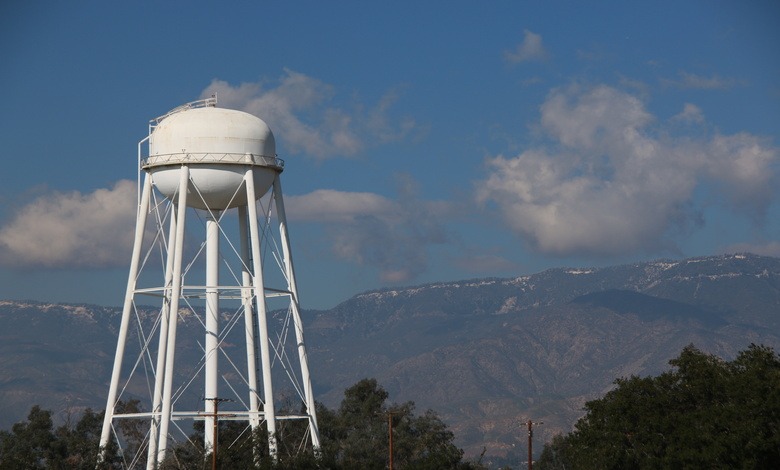
Water towers are essential fixtures in our communities, providing reliable water pressure and supply. While they appear sturdy and straightforward, they harbor potential issues that can compromise water quality and structural integrity. For professionals managing these assets, understanding the hidden risks in water towers is the first step toward effective maintenance and public safety.
Contamination Pathways
A primary concern for any water storage system is the potential for contamination. Gaps in hatches, vents without proper screening, or cracks in the tank’s structure can allow birds, insects, and other contaminants to enter. This infiltration can introduce bacteria, including Legionella and E. coli, directly into the water supply, posing a significant public health threat if not promptly addressed.
Structural Fatigue and Weakness
Over time, water towers endure constant stress from the weight of the water and environmental factors such as temperature fluctuations and high winds. This continuous strain can lead to metal fatigue, especially at weld points and joints. If left unmonitored, these weak spots can develop into cracks or failures, jeopardizing the entire structure. Rust and corrosion further accelerate this degradation, weakening the steel from the inside out.
Interior Coating Failures
The protective coating on the interior of a water tank is a critical barrier against corrosion and contamination. However, these coatings have a limited lifespan. Blistering, peeling, or chalking of the lining can expose the underlying steel to water, leading to rust formation. Degraded coating material can also flake off and contaminate the water, affecting its taste and safety.


The Importance of Inspection Cadence
Identifying these risks before they escalate requires a proactive approach. Regular assessments are vital for catching problems early. Developing a clear understanding of when to schedule a water tank or tower inspection helps facility managers stay ahead of potential failures and maintain compliance with health and safety standards.
Water towers are more complex than they seem, with numerous factors that can affect their performance and safety. Proactive inspection creates a critical line of defense for our water systems. Staying alert to the hidden risks in water towers means making thoughtful decisions that keep water safe and infrastructure solid for everyone who relies on it.