
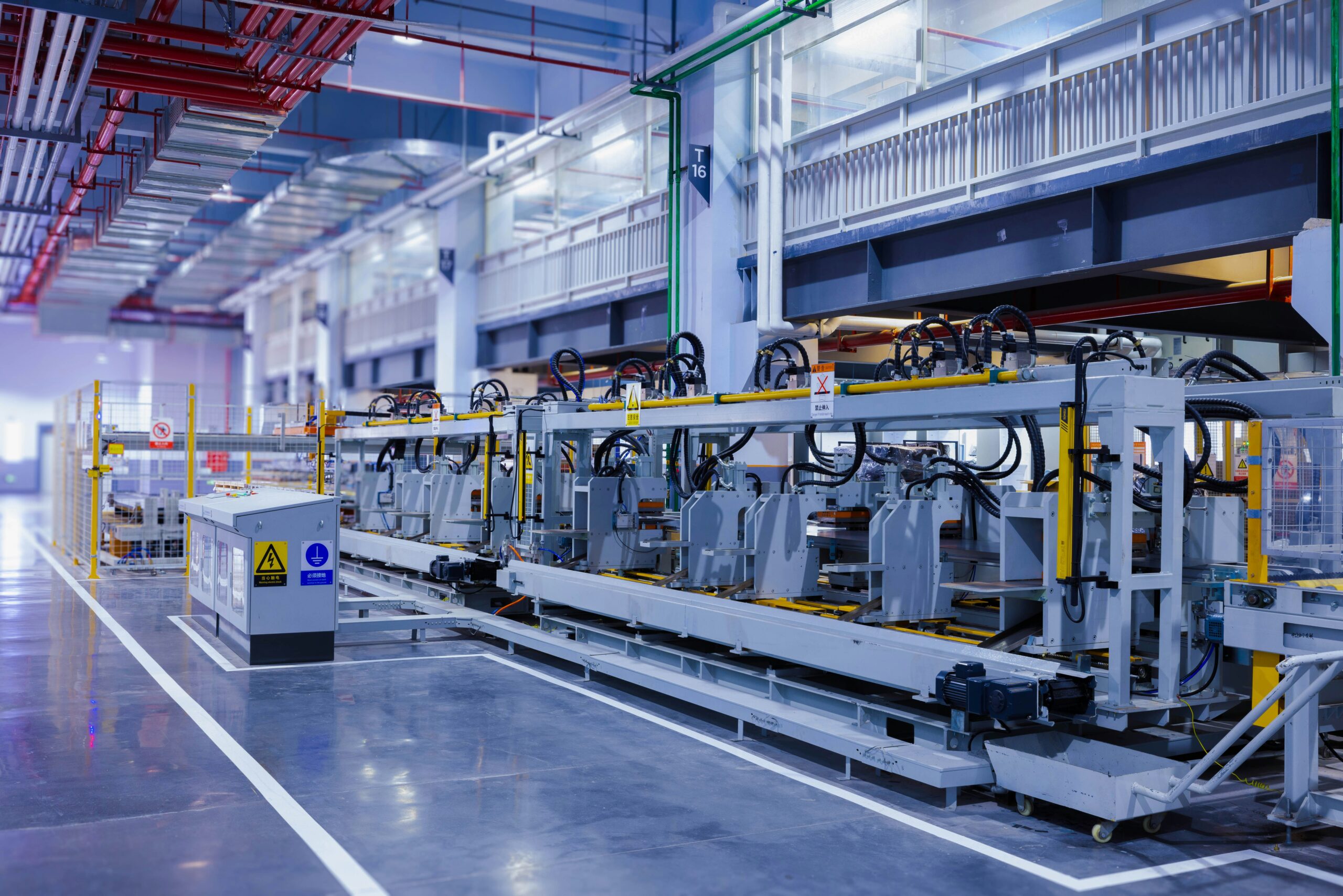
7 Ways to Cut Manufacturing Errors
Error-free manufacturing is the benchmark of efficiency and quality in the production sector, but production errors can wreak havoc on costs, company reputation, and customer satisfaction. But with strategic measures and modern tools, however, reducing manufacturing errors is very much possible. In this blog, we will explore strategies to mitigate errors, increase productivity, and improve overall quality in manufacturing processes.
Invest in Employee Training
Human error remains one of the biggest sources of manufacturing errors, so providing employees with proper training is critical in minimizing errors. Training includes hands-on sessions, detailed orientation courses, and refresher courses that equip your staff members to complete tasks precisely and ensure smoother operations.
Implement Robust Quality Control Systems
Quality control systems act as the safety net against errors. When you implement thorough inspection processes throughout production, defects can be detected quickly for early intervention, and remedial action can take place before they reach customers. There are many quality assurance tools and methodologies, such as Six Sigma and Total Quality Management (TQM), that help ensure products meet required standards.
Using Artificial Intelligence in Manufacturing
Artificial intelligence (AI) is changing manufacturing by minimizing errors and improving efficiency. Advanced AI technologies, such as Ultralytics YOLO11, provide accurate component detection at each stage of production, enabling quality assurance throughout assembly. Also, real-time discrepancy detection eliminates costly mistakes, giving companies greater accuracy, improved product quality, and simplified operations when they integrate AI in manufacturing operations.


Automation and Technology
Industry 4.0 has transformed manufacturing, with automation at its forefront, eliminating human error through precision-oriented machines and technologies. Automated systems such as robotic process automation (RPA) and smart sensors can perform repetitive tasks precisely while monitoring machinery to detect breakdowns that could cause errors.
Standardize Workflows
Standardized procedures provide clarity. When you document processes and ensure they are implemented in an organized manner, manufacturers can maintain uniformity across production lines. Standardization removes ambiguity, ensures compliance, and reduces the risk of missed steps or unintentional decisions that could lead to errors.
Prioritize Preventive Maintenance
Equipment failure is one of the biggest sources of manufacturing errors. Scheduling regular preventive maintenance checks on machines helps ensure they operate at peak performance and reduces unexpected downtime. Regularly inspecting machinery, replacing worn components as needed, and using condition-monitoring technologies can help keep operations running without errors or downtime.
Create an Open Communication Culture
Open communication among team members can reveal potential problems before they snowball into larger issues. Encouraging employees to report inefficiencies or challenges helps management identify recurring issues and implement corrective measures. Communication also bridges gaps between departments, streamlining production processes while decreasing errors.
Conclusion
Minimizing manufacturing mistakes doesn’t just require adopting cutting-edge technologies or strategies; it also involves cultivating an environment where humans, machines, and processes work in harmony. From intensive training initiatives to cutting-edge tools such as AI, these practices can help manufacturers reduce costs, enhance reliability, and achieve a gold-standard production quality. Because when errors are eliminated from production, the quality standards rise and excellence is guaranteed.