
Unlock Your Child’s Potential: The Power of Extracurricular Activities
A school day filled with academic lessons, while necessary, rarely provides the holistic stimulation and comprehensive skill development a child needs. Relying solely on classroom time for growth can leave children feeling unengaged and undersupported in developing critical life skills. This is where extracurricular activities become essential.
Non-academic training, enjoyed after a snack and some much-needed relaxation, offers immense benefits. Whether through sports, arts, literature clubs, or practical classes, these activities teach far more than just the basics of the subject. They are crucial for promoting overall personal growth, teaching children essential life skills such as cooperation, problem-solving, and developing the distinct abilities they need to mature into well-balanced individuals. Furthermore, providing children with constructive ways to occupy their time helps prevent boredom and the inclination toward disruptive behavior.
To help you make an informed decision, we’ve outlined several fantastic extracurricular activities for kids, along with the valuable lessons each one provides.
Music: Fostering Focus and Patience
Music remains an outstanding choice for children. Whether your child prefers to sing, learn an instrument, or both, the world of music offers endless possibilities. With countless instruments available, you’re sure to find a sound your youngster connects with and can enjoy throughout their entire educational journey and beyond.


Learning music is a powerful exercise in patience and focus. It requires dedicating time to practice, reading complicated notations, and fine-tuning motor skills to produce a beautiful sound. These skills naturally translate to improved academic performance and concentration in other areas of life. From the complexity of a piano to the rhythm of a beat machine, musical training nurtures creativity while building valuable cognitive and motor skills.
Sports: Building Teamwork and Endurance
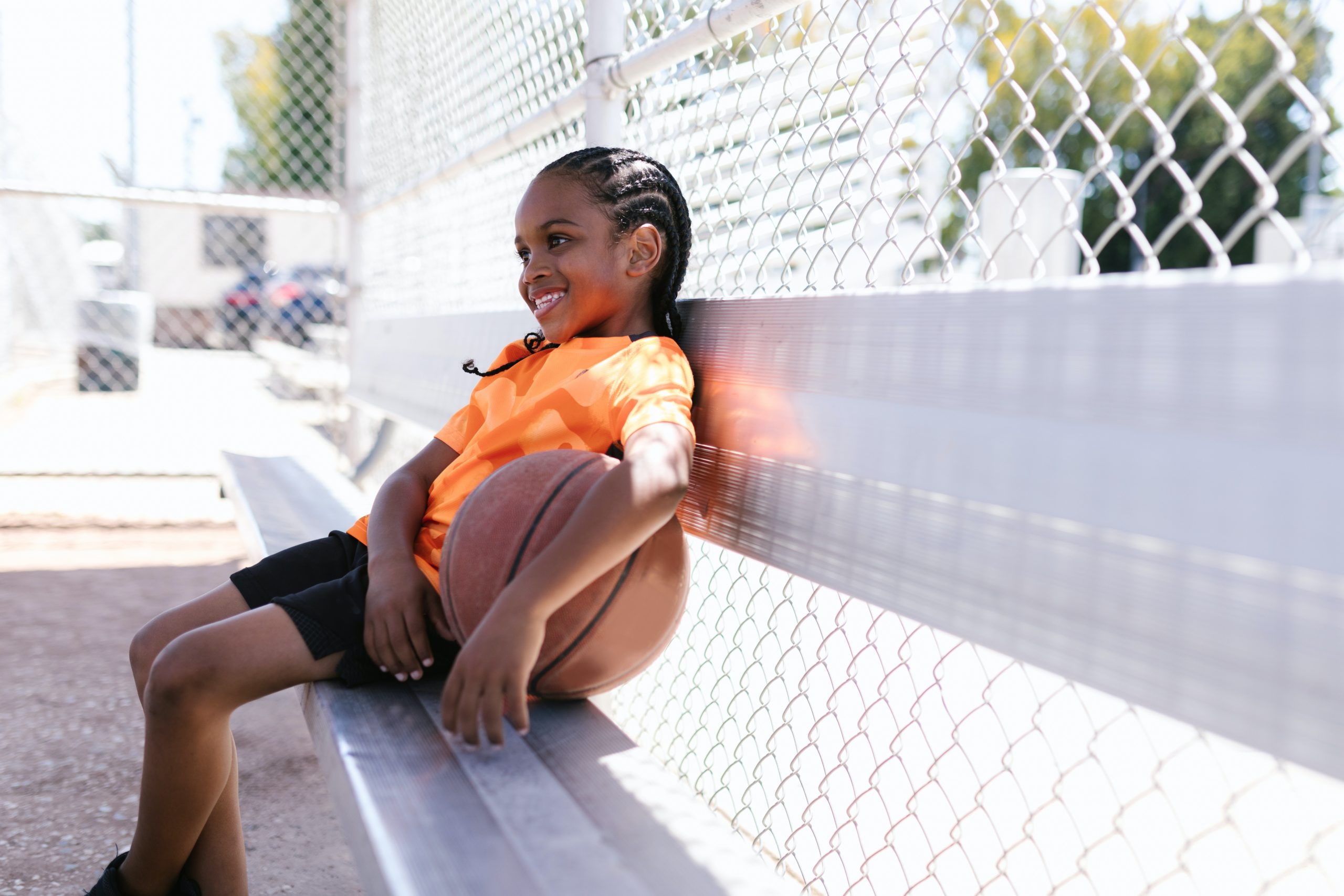
Team sports like volleyball, basketball, hockey, and softball are fantastic outlets for energy and competitive spirit. These activities fundamentally teach children to collaborate effectively and understand their role within a larger group. They learn to strategize together, handle wins and losses with grace, and develop impressive physical endurance.
If ball games and high-impact sports aren’t your child’s preference, options like tennis, badminton, and golf are equally valuable. Whether performed in a group or solo, every sport imparts essential lessons in dedication, following rules, and the mental toughness required to improve performance. Sports are particularly valuable for competitive kids, offering a healthy environment to channel their drive.
Martial Arts: Discipline and Self-Control
Martial arts techniques, including disciplines like Judo, Taekwondo, and Karate, are often mistakenly associated with aggression. In reality, their core principles are centered on discipline and learning to master one’s power rather than using it to harm others.
The structured environment of a martial arts class excels at instilling self-control and self-discipline. These characteristics are particularly beneficial for children who struggle with undeveloped organizational or attention-regulation qualities. Martial arts help to develop a child’s skills across physical, mental, and social domains, improving coordination, confidence, and respect for instructors and peers. As a self-defense mechanism, it also provides children with enthusiasm and a sense of personal security.
Cooking Classes: Creativity Meets Essential Life Skills
Cooking classes are a surprisingly practical and fun extracurricular activity. They provide children with a tangible outlet for their inventiveness while imparting vital, lifelong skills.
The process of following a recipe, measuring ingredients accurately, and managing cooking times naturally helps youngsters develop concentration and basic math skills. Learning how to safely use tools, such as sharp knives, under supervision, builds essential dexterity. Crucially, cooking classes educate children about different flavors and the fundamental principles of preparing balanced, nutritious meals. This skill set is an excellent investment in their future independence and health, all while they enjoy a social activity with peers their age.
Choosing the Right Fit for Your Child
The most important factor in selecting an extracurricular activity is choosing something your child genuinely enjoys. A child who is passionate about an activity is more likely to commit to it, gain the most significant benefit, and stick with it long enough to master the valuable life lessons it offers. Start by discussing their interests and seeing where their natural curiosity lies!