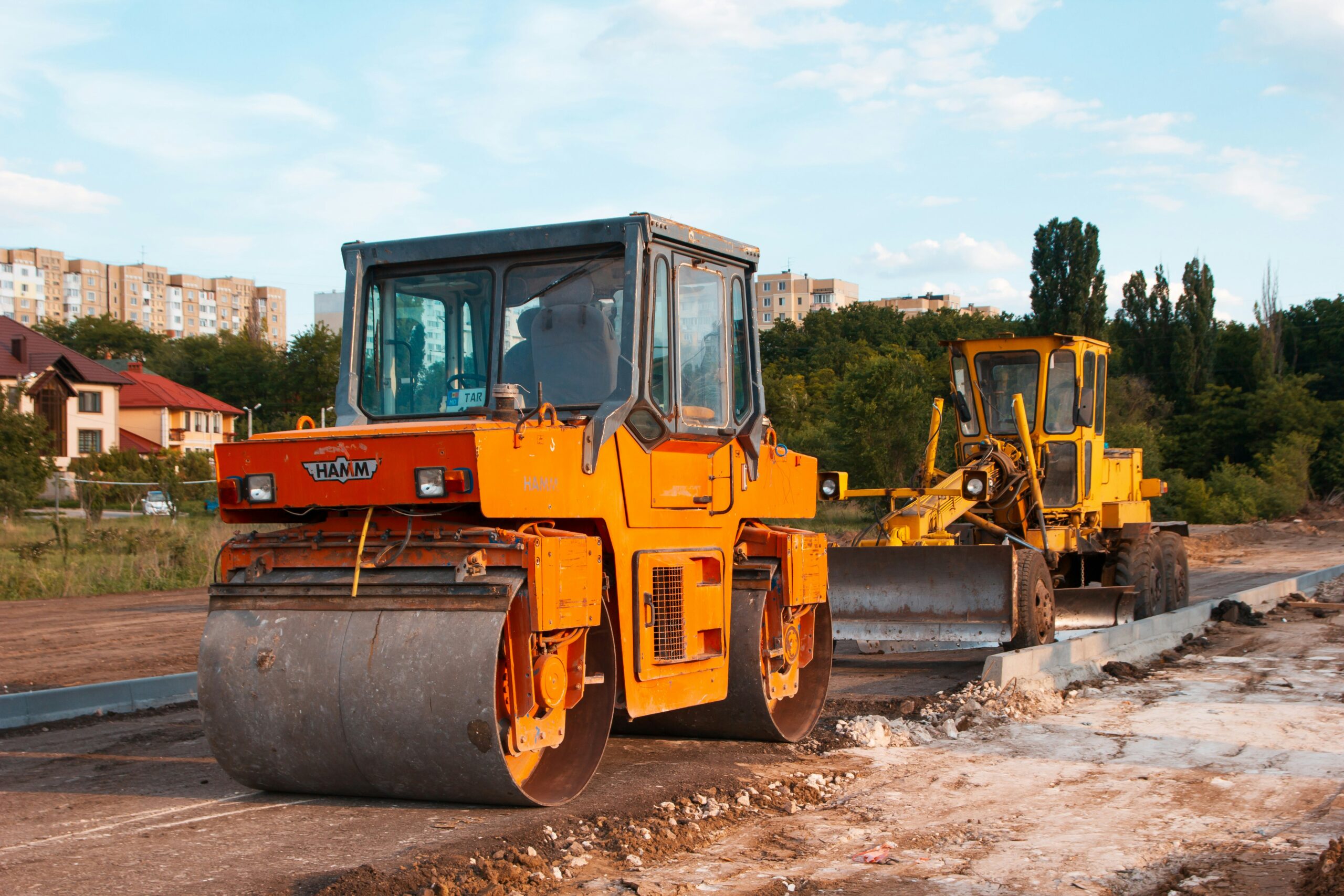
When you run a business, one of the most crucial skills to learn is proper cash flow. As well as earning a profit, a healthy cash flow refers to how you invest back into the business. There are several ways to spend money on your business, which will, in turn, make it more profitable. Equipment is a prominent example.
While you might think about focusing on marketing, there are plenty of other areas to improve as well. The tools and equipment that you and your employees use are a significant example of this.
Why Cash Flow Matters
While you do want to keep costs down as much as possible when running a business, this shouldn’t be to the detriment of your tools and equipment. Often, upgrading your equipment can quickly help you earn back the cost and then some.
This isn’t to say that you should immediately spring for the most expensive and high-tech equipment possible. But you should consider scaling your tools according to expected business growth.

If your business is growing steadily, do regular check-ins to see how your current equipment is performing. Explore options that can help you speed up your work, manufacture higher-quality products, or open your business up to different projects.
This means your company won’t get left behind or, worse, have to resort to using unsafe equipment to keep up. Poor quality equipment can result in injuries or even fatalities, and in less extreme cases, can make it more difficult to complete orders and stay in business. So, for a more productive and safer workplace, you need equipment that is fit for purpose.
Leasing or Buying Equipment
Another decision to make is whether to lease equipment on an as-needed basis or to buy it outright. Although buying equipment has a higher initial cost, it becomes much cheaper over time, especially if you use it frequently.
If you’re unsure about the best option, consider hiring the equipment initially. If you find yourself constantly rehiring it, consider investing in a purchase.
One way to save money when buying equipment is to look for second-hand deals or older models. This is much cheaper than buying brand-new, state-of-the-art equipment, and it can often do the job just fine.
Repairing and Maintaining Equipment
If you do decide to purchase equipment, you also need to make sure that it’s regularly maintained. Replacing something is much more expensive than simply fixing it or replacing a single part, especially if it breaks down unexpectedly.
So, if something does break down, you can consider replacing smaller parts rather than the whole piece of equipment or machinery. For example, some suppliers sell both the parts and the equipment. If you have a diesel engine, either for running a generator or machinery, getting Diesel Pro cylinder heads for Cummins engines might be a much better option than buying a whole new engine if the cylinder head wears down.
Schedule regular maintenance and tune-ups to ensure the equipment is always running smoothly and safely.