
How to Avoid Common Insulation Mistakes on the Job
Properly installing insulation is a craft that requires precision and knowledge. A well-insulated structure provides comfort and energy efficiency, but mistakes on the job can compromise these benefits.
Understanding how to avoid common insulation mistakes on the job is a fundamental part of a contractor’s expertise, which sets apart superior work from subpar results. This guide will walk you through frequent errors and provide clear guidance on how to prevent them, leading to better outcomes for every project.
Inadequate Preparation of the Work Area
Many errors originate from failing to prepare the space properly. Surfaces need to be clean, dry, and free of debris. Any moisture or dirt left behind can prevent adhesives from setting correctly or can lead to mold growth underneath the insulation.
Furthermore, any air leaks or gaps in the building envelope should be sealed beforehand. Skipping this step allows air to flow around the insulation, which reduces its thermal performance and defeats the purpose of the installation.


Incorrect Use of a Vapor Retarder
The placement of a vapor retarder is critical and depends entirely on the local climate. The general rule is to place the retarder on the warm side of the insulation. In cold climates, this means it should face the interior of the building to stop the moisture from inside from condensing within the walls.
In hot, humid climates, it should face the exterior. Installing the retarder on the wrong side can trap moisture, which leads to rot, mold, and structural damage.
Compressing Insulation Materials
Many insulation types, such as fiberglass batts, rely on trapped air pockets to provide thermal resistance. When this material is compressed to fit into a cavity that is too small, its effectiveness plummets. The proper technique is to cut the insulation to fit snugly around these obstacles without pressure.
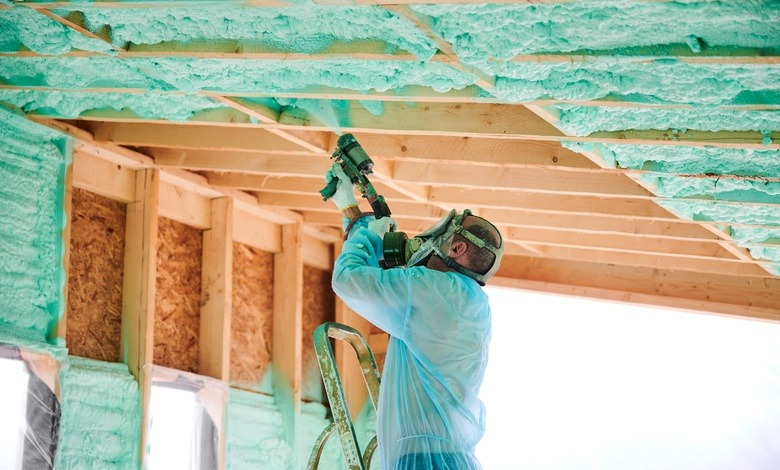
For spray foam, the application technique itself dictates the final density. A reason why hands-on practice is important in spray foam insulation is that it teaches applicators how to achieve the correct thickness without over-densifying the material, which would diminish its R-value.
Gaps and Voids in Coverage
Even small gaps in insulation coverage can create thermal bridges, which are spots where heat can easily transfer into or out of the building. These voids dramatically reduce the overall efficiency of the insulation system. Common problem areas include the spaces around windows, doors, and outlets.
Contractors must meticulously cut and fit insulation to ensure a continuous thermal barrier. Every square inch of the intended area should be covered completely to prevent energy loss and maintain a consistent indoor temperature.
Achieve a Flawless Installation
Executing an insulation project without error is the hallmark of a true professional. It demands a deep understanding of building science and a commitment to meticulous work.
By preparing surfaces correctly, placing vapor retarders with climate in mind, and avoiding material compression or coverage gaps, you can deliver superior results. Mastering how to avoid common insulation mistakes on the job ultimately protects the building’s structure and ensures lasting energy efficiency for the client.