Best Practices for Using Concrete Slab Lifting Equipment
Concrete slab lifting equipment is a powerful tool in the construction and maintenance industry, offering an efficient solution for leveling sunken or uneven slabs. Proper use of this equipment requires adherence to best practices to ensure safety, maximize efficiency, and extend the machinery’s lifespan. Continue reading to learn about the best practices for using concrete slab lifting equipment.
Safety First
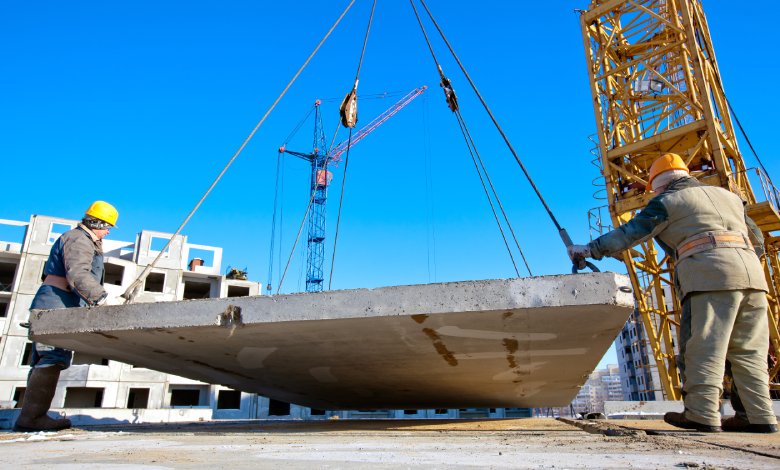
Safety is paramount when it comes to operating concrete slab lifting equipment. Always begin by wearing appropriate personal protective equipment, such as gloves, safety goggles, and steel-toe boots. Operators must familiarize themselves with the equipment’s user manual to understand its functionality fully. Take time to assess your work environment, ensuring that the area is free of obstacles and that everyone present is a safe distance away. Additionally, clear communication among team members is crucial to avoid accidents during operation.
Equipment Inspection
A thorough inspection of your equipment is necessary before any operation. Examine hydraulic hoses, clamps, bolts, and other key components for signs of wear, damage, or corrosion. Faulty parts can compromise performance and pose significant safety risks. Checking for leaks and ensuring that all connections are secure is also essential. Conduct a slab lift safety test to verify the equipment’s functionality before beginning any work. Routine inspections prevent accidents and can help you identify issues early, saving time and money on repairs later.
Proper Usage
Using concrete slab lifting equipment correctly is critical to getting the job done right. Begin by positioning the equipment according to the lifting task’s specific requirements. Align it with precision to avoid damaging the slab or surrounding structures. Slowly and steadily apply pressure to the slab, making incremental adjustments as needed to ensure proper leveling. Avoid rushing the process, as sudden movements can crack or further misalign the concrete.


Maintenance Tips
Regular maintenance is key to ensuring your concrete slab lifting equipment performs optimally over time. Thoroughly clean the equipment after each use to remove any dirt, dust, or concrete residue that could impact functionality. Lubricate moving parts as recommended by the manufacturer, and store the machinery in a dry, temperature-controlled environment to prevent corrosion. Periodically schedule professional service appointments to address wear and tear that might not be visible during routine inspections.
Make Every Lift Count
These best practices for using concrete slab lifting equipment ensure you get the most out of your investment. By prioritizing safety, inspecting before use, adhering to proper operating procedures, and maintaining your equipment, you can achieve more reliable results and prolong your machinery’s lifespan. If you’re ready to elevate your projects with professional precision, start applying these practices today.