How To Reduce Downtime in Food Processing Facilities
Downtime in food processing facilities can disrupt production schedules and lead to significant financial loss. Whether caused by faulty equipment, inefficient processes, or inadequate training, every minute of unplanned downtime eats into profits and hampers workflow efficiency.
By adopting proactive strategies, businesses can minimize interruptions and ensure seamless operations. Learn how to reduce downtime in food processing facilities.
Implement Predictive Maintenance
Preventing equipment failures before they happen is key to reducing downtime. Predictive maintenance uses sensor data and analytics to monitor the condition of machinery in real-time.
With regular inspections and a focus on identifying potential issues, this approach allows facilities to address small problems before they escalate into costly repairs or breakdowns. By combining predictive analytics with routine servicing schedules, food processing facilities can maximize equipment reliability and minimize disruptions.


Optimize Cleaning Procedures
Cleaning is essential in food processing, but when not managed effectively, it can become a bottleneck. Scheduled cleaning times outside of peak production hours ensure that operations can continue without unnecessary delays.
Additionally, investing in efficient cleaning equipment designed for food facilities can speed up sanitation processes without compromising on quality. Streamlined cleaning procedures reduce downtime and ensure regulatory compliance and product safety.
Upgrade Equipment and Technology
Outdated machinery often leads to frequent repairs and longer downtimes. Modern equipment, designed with advanced technologies, provides greater reliability and efficiency.
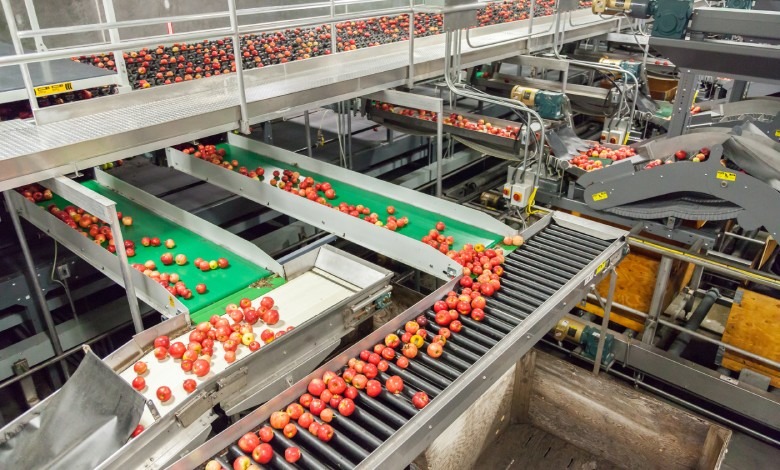
Automation solutions in food processing facilities, such as robotic process systems, can also dramatically improve uptime by reducing human errors, streamlining production, and enabling continuous operation. While upgrading requires an upfront investment, the long-term benefits of reduced downtime and increased productivity far outweigh the costs.
Train Employees Effectively
Well-trained employees minimize operational disruptions. Comprehensive training programs ensure that workers are well-versed in operating and maintaining machinery, reducing the likelihood of costly errors.
Cross-training employees to perform multiple roles within the facility enhances flexibility, allowing staff to step in seamlessly when unexpected situations arise. A knowledgeable workforce is a facility’s strongest asset in maintaining uninterrupted operations.
Knowing how to reduce downtime in food processing facilities requires a proactive and multi-faceted approach. By implementing predictive maintenance, optimizing cleaning schedules, upgrading machinery, and emphasizing employee training, businesses can create a dynamic, efficient environment that minimizes interruptions. Start applying these strategies today to keep your facility running at peak performance.