What’s the Difference Between Joint Compound and Spackle?
Have you ever stood in the hardware store, staring at shelves of repair products, wondering which one you actually need? If you’ve come across joint compound and spackle, you’re not alone, as these two products often leave people scratching their heads.
While they might seem interchangeable at first glance, they serve different purposes and are best suited for specific types of projects. For a smoother, easier finish, let’s take a look at the differences between joint compound and spackle.
Overall Composition
Joint compound, often referred to as “mud,” is a gypsum-based product that comes either pre-mixed or in dry powder form. Its lightweight consistency and smooth texture make it ideal for large-scale wall repairs or for covering seams between drywall sheets. On the other hand, spackle is a thicker, paste-like substance made from a combination of binders and fillers, such as vinyl or acrylic.
Spackle is best for smaller, more precise repairs like filling nail holes or minor dents in walls, making it great for smaller, renter-friendly repairs. For heavier-duty tasks or finishing seams, joint compound is the way to go. For quick-touch repairs, spackle is your best friend.


Drying and Curing Time
Drying and curing times can vary significantly; therefore, it’s essential to plan accordingly. Joint compound typically takes longer to dry, especially if applied in thick layers or over broad surfaces. It may take anywhere from several hours to a full day per layer, depending on humidity and product type.
Spackle dries much faster, often in under an hour for small applications. This fast drying time makes spackle a great choice for quick repairs when time is of the essence. However, be sure not to rush; even fast-drying products need to cure fully before sanding or painting for the best results.
Application Techniques
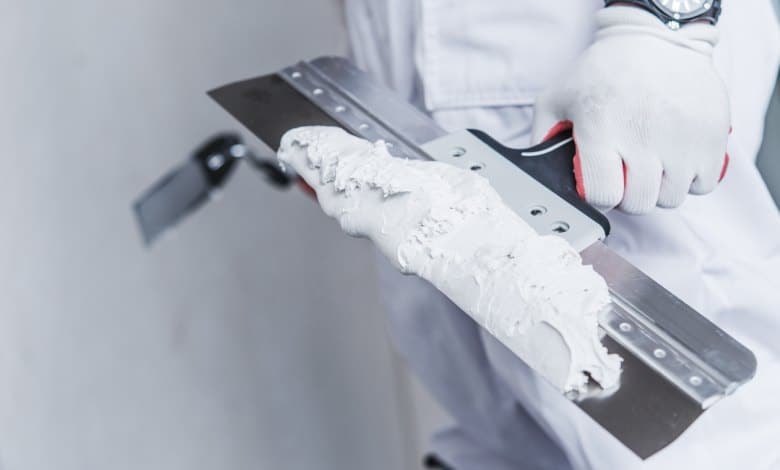
When applying joint compound, you’ll need a variety of taping knives, typically ranging from 6 to 12 inches. Start with a smaller knife for embedding tape into seams and use larger sizes to feather out edges for a smoother finish.
With spackle, you’ll generally only need a small putty knife for application. Since spackle is thicker, a single pass across the repair is usually sufficient.
Painting Compatibility
Both joint compound and spackle are paint-friendly, but the difference lies in preparation. For joint compound, it’s essential to ensure the surface is fully dry, sanded smooth, and thoroughly cleaned before applying primer and paint. Due to its larger application scope, a primer is often necessary to create an even base for paint.
Spackle, while also compatible with paint, typically doesn’t require priming for small touch-ups. However, for larger spackling projects, applying primer may help paint adhere better and prevent inconsistencies.
Whether you’re patching small nail holes with spackle or tackling larger drywall seams with joint compound, each product has its role in achieving a flawless finish. With this knowledge, you can confidently choose the right product for the job, ensuring professional results no matter your skill level.