
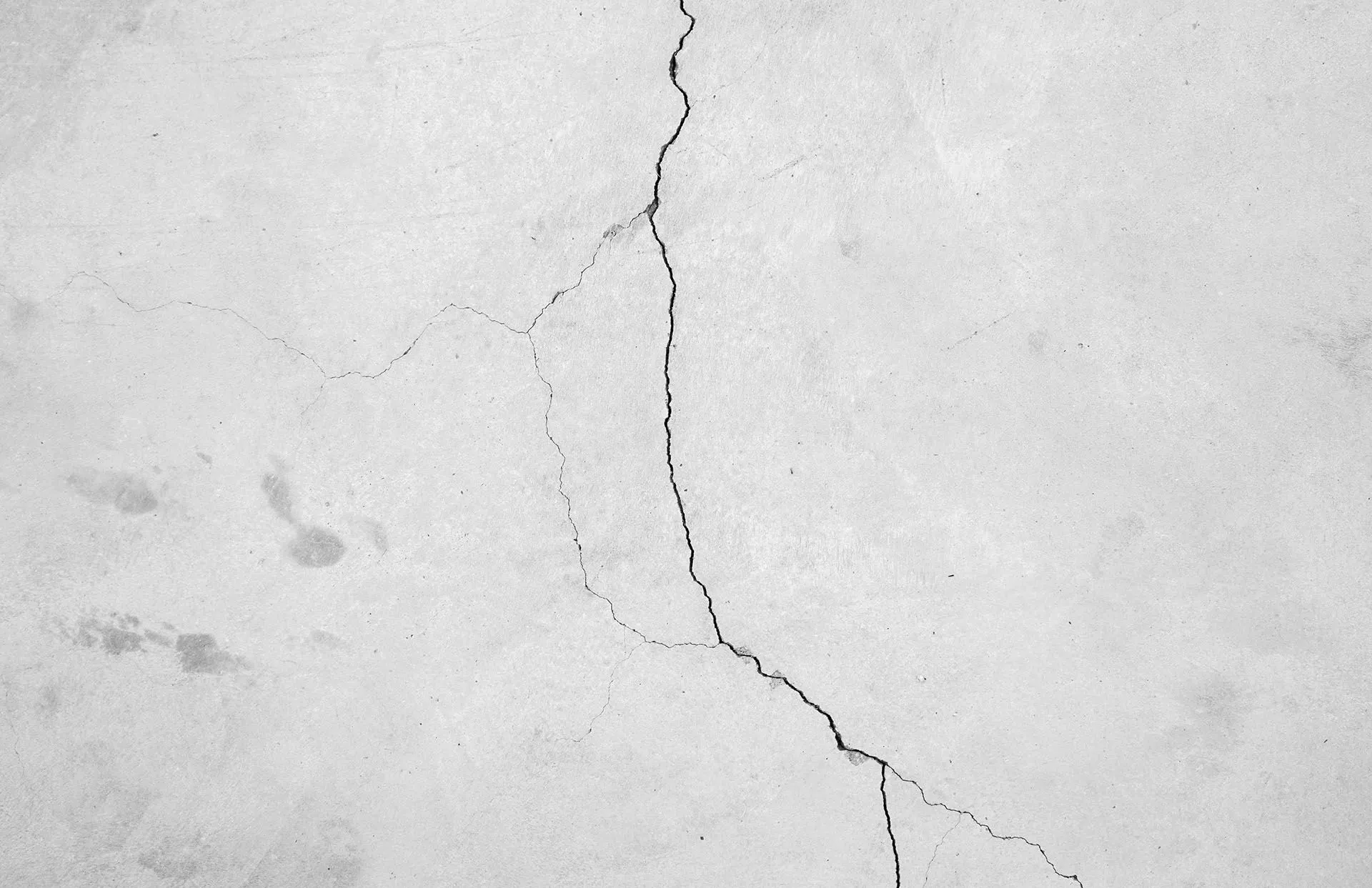
Concrete: Causes of Cracks in Quality Slabs
Concrete has a reputation for being tough, durable, and low-maintenance — the kind of material you install once and forget about for decades. So when cracks suddenly appear in a driveway, patio, garage floor, or path that looked perfectly fine, it’s frustrating and confusing. The truth is that concrete often starts weakening long before you see visible damage. With proper care and protective measures, such as concrete coatings, you can slow that process, but understanding why cracks form is the first step.
Cracks may seem to appear overnight, but they’re usually the result of slow, hidden forces working on the surface for months or even years.
Concrete Shrinks as It Cures — Even When It Looks Solid
One of the most common causes of cracking begins before you ever walk on the slab. As fresh concrete dries and cures, the moisture inside evaporates. This causes the slab to shrink slightly. If different parts dry at different rates, internal tension builds.
When that tension becomes too much, the concrete relieves the pressure the only way it can: by cracking.


Early cracks from curing are often:
- Straight or lightly curved
- Thin and hairline
- Spread across large areas
Even perfectly mixed and well-installed concrete can develop these.
Temperature Changes Put Stress Beneath the Surface
Concrete expands when heated and contracts when cooled. This daily and seasonal movement creates stress that eventually leads to cracking.
You might notice more cracks:
- Near edges exposed to the sun
- In areas that heat up faster (like near walls or dark surfaces)
- In slabs that get full sun during the day and cool rapidly at night
This constant push-and-pull movement slowly breaks down the surface until it gives way.
Moisture Slips Into Tiny Gaps — Then Expands
Concrete may look solid, but it’s full of tiny pores. Water easily slips inside — from rain, cleaning, sprinklers, or morning dew. Once inside, moisture can:
- Freeze and expand
- Soften parts of the surface
- Create hidden pockets of weakness
In colder regions, freezing water is a leading cause of cracks. Even in warm climates, repeated wetness and drying cycles weaken the slab’s integrity.
The Ground Beneath Isn’t as Stable as You Think
A concrete slab relies heavily on the soil or base underneath it. If that ground shifts, sinks, or erodes, the concrete loses support — and cracks under the uneven pressure.
Problems develop when:
- Soil settles after installation
- Water washes away part of the base
- Tree roots lift certain areas
- Heavy loads compress some sections more than others
The slab may look perfect on top, but instability below eventually forces cracks to form.
Heavy Loads Create Localized Stress
Concrete can handle a lot of weight, but repeated heavy pressure in the same area gradually wears it down. Cracks caused by weight tend to appear where:
- Cars are always parked in the same spot
- Trucks or boats sit for long periods
- Rubbish bins, equipment, or storage sit on the slab
- Tyres turn sharply or brake forcefully
These high-stress areas age faster than the rest of the surface.
Expansion Joints Don’t Always Work the Way They Should
Expansion joints are gaps intentionally placed in concrete to control where cracks form. But if these joints:
- Fill with debris
- Become blocked
- Shift
- They weren’t installed properly
…then cracks will form somewhere else instead.
When the slab can’t naturally move along the joints, it forces new cracks in random locations.
Concrete Is Strong — Not Flexible
People often assume concrete breaks only when something “goes wrong.” But concrete isn’t designed to bend or stretch. It’s incredibly strong under compression, but weak under tension and movement.
This means everyday forces — like soil movement, temperature change, or moisture expansion — are enough to cause cracks over time.
Weather Slowly Breaks Down the Surface Layer
Sun exposure, wind, changing temperatures, and moisture gradually weaken the concrete’s surface. Once that surface layer begins to erode, the slab becomes more vulnerable to cracking.
Look for early signs such as:
- Surface dusting
- Fading colour
- Small chips
- Rough patches
- Water absorption seems faster than before
These clues show the surface is losing strength.
Chemicals and Stains Can Accelerate Cracking
Certain chemicals react negatively with concrete. These include:
- Fertilizers
- Oils
- Petrol and diesel
- Cleaning agents
- De-icing salts
Repeatedly sitting on the concrete can weaken the surface and accelerate cracking.
Cracks Don’t Always Mean Failure — But They Always Mean Something
A cracked slab isn’t necessarily a failing one, but it is a sign that something is stressing the concrete. The earlier you notice and address cracks, the easier they are to manage.
A few helpful steps include:
- Sealing hairline cracks before they expand
- Improving drainage
- Fixing uneven soil or sinking areas
- Protecting the surface from chemicals and weather
- Using a quality protective treatment to strengthen the top layer
Concrete may seem solid and permanent, but it’s constantly responding to its environment. Cracks in “perfectly good” concrete are often the result of invisible forces that have been building up for a long time. By understanding what causes these cracks — and taking simple preventative steps — you can keep your surfaces stronger, safer, and looking better for years to come.