
Racing is Not Winning for Indiana Data Centers
by Sam Carpenter, Indiana Capital Chronicle
December 3, 2025
This past June and July, my family’s electricity bill jumped by more than 30% compared to last year. I know we’re not alone. Hoosiers everywhere are seeing higher electric bills — and unless we change course, they’ll keep climbing. Cost pressures are pushing from multiple places.
For decades, Indiana saw little growth in electricity demand, and investment in utilities stagnated. The result is a grid that hasn’t kept pace with our needs. Meanwhile, severe storms are hitting more often, and hotter summers mean higher demand for cooling. Utilities will need to spend more just to maintain reliability, let alone improve it.
On top of that, new gas pipeline proposals and rapid price inflation for natural gas turbines, the machines that turn gas into electricity, are raising costs. For example, GridLab reports that the price of a new combined-cycle gas turbine has nearly doubled to $2,000 per kilowatt. That expense will land on someone’s bill.


Indiana energy secretary blasts local moratoriums, calls energy development ‘patriotic’ task
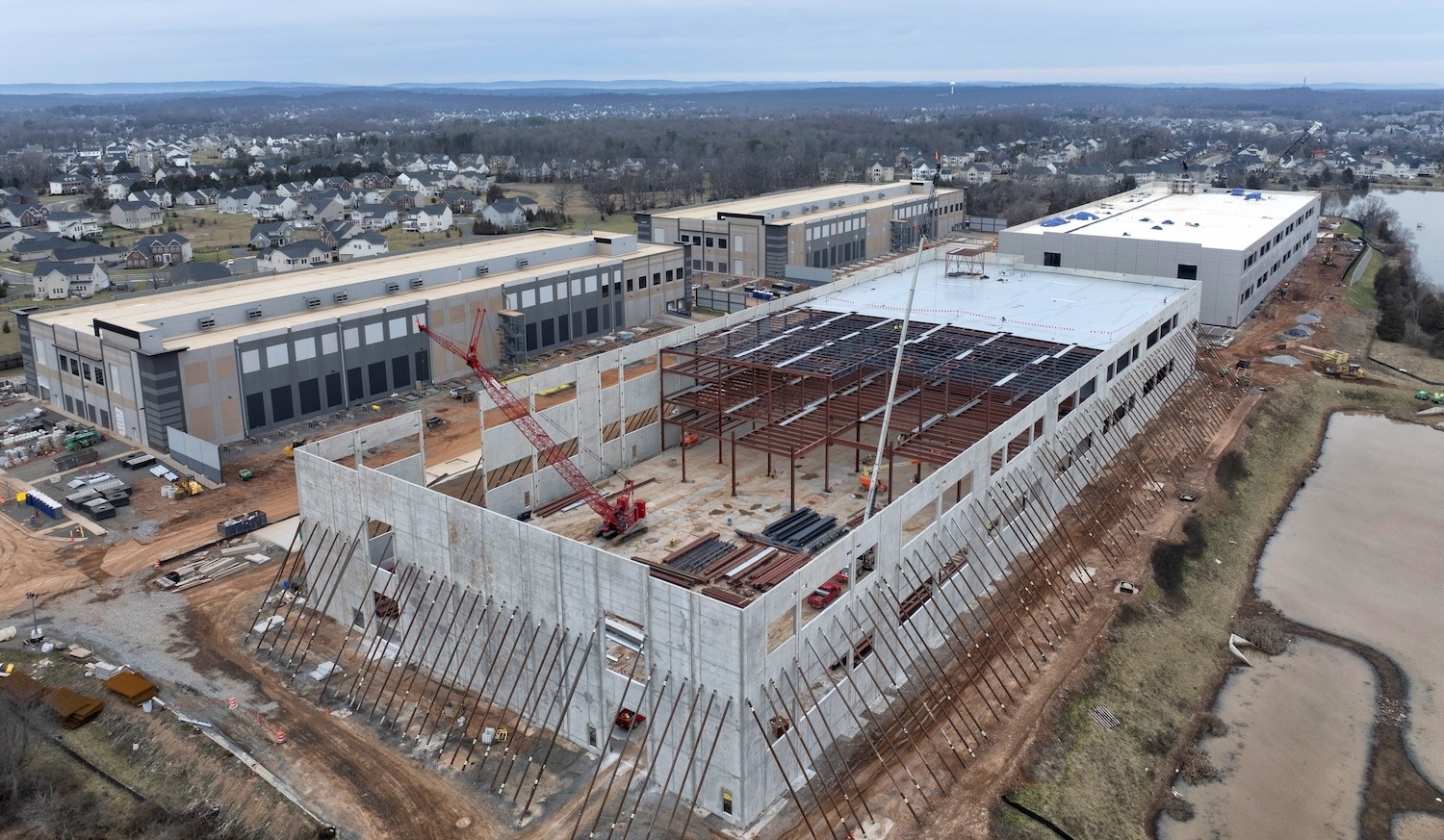
But the biggest pressure of all comes from the explosive growth of artificial intelligence and the data centers needed to run it. By 2035, AI-driven data centers are expected to add the electricity demand equivalent or greater than building a second Indianapolis, a second Fort Wayne, a second Gary, and a second Evansville combined.
Take the planned data center campus in New Carlisle for example. It alone is projected to use 2.2 gigawatts of power — almost 10% of Indiana’s entire current electricity demand.
Lawmakers and economic-development officials see data centers as a fast track to economic growth. But in this race to attract them, we’re ignoring an essential truth: in every race, there are winners and losers.
Even Wall Street is voicing concern as many analysts are warning of a looming data center bubble. According to The Center for Public Enterprise’s Bubble or Nothing report, some major developers are building data centers using circular financing — borrowing from one another while depending on one another’s cash flows — and betting that AI profits will justify these risky financial relationships. But as we learned when the dot-com bubble, even transformational technologies aren’t always profitable and can collapse under unsustainable economics.
So let’s imagine what would happen if AI profits don’t materialize as hoped, data center companies will falter, and operators shut down. The massive, custom-built electric and water infrastructure serving them, paid for in part by ratepayers, becomes underused or abandoned. Those costs don’t disappear; they shift to households and businesses.
And the power plants built to serve these centers, especially large gas plants, could become stranded assets, leaving Hoosiers to pay for billions in infrastructure that no longer has customers. Meanwhile, communities that approved these projects would be left with empty shells of data centers designed for a single purpose and unusable for anything else.
Where to go from here
While this picture is bleak, it is also avoidable. Indiana has the opportunity to benefit from economic growth related to AI, strengthen our grid, and improve our utility cost structure. How?
First, Indiana should repeal the data-center sales-tax exemption. Adopted in 2019, it was crafted for modest data centers, not today’s behemoths. Right now, the state forgoes about $5 million each year in electricity sales tax for just one 100-megawatt facility. Scale that to 5 gigawatts of projected data-center growth, and Indiana could lose $250 million annually in revenue. Restoring this tax would cool speculative development and provide a stable new funding stream for our state.
Second, we must require large data centers to operate flexibly. Our grid is built around meeting peak demand — the most extreme hours of usage each year. If data centers run full-tilt during those peak moments, they could trigger billions in new spending on generation and transmission. But if they reduce demand during key hours, Indiana can avoid new peaks altogether.
And flexibility isn’t only for giant companies. The Indiana Utility Regulatory Commission is writing new rules for distributed energy resources — everything from smart thermostats to batteries to EV chargers. These resources can shift demand, cut bills, and relieve stress on the grid. When deployed at scale, they help integrate more affordable clean energy, reduce costs for everyone, and reduce harmful environmental impacts that come with new fossil fuel generation.
Third, data-center developers must be transparent with the communities they hope to join. Local governments should require enforceable commitments before granting zoning approvals. That includes long-term power-purchase commitments that shield other ratepayers from unforeseen challenges; developer-funded infrastructure upgrades; cleaner backup-power options rather than fleets of diesel generators; and strong protections for local water resources, including avoiding groundwater withdrawals for cooling.
Need to get in touch?
Have a news tip?
These expectations are reasonable, practical, and essential to safeguarding communities.
Hoosiers deserve honest conversations about the risks and rewards of data-center expansion. Utilities, local officials, and state leaders must fully understand what’s at stake — not just for economic development, but for affordability, reliability, and environmental stewardship.
Electricity prices are rising from every direction. If Indiana rushes headlong into unchecked data-center development, we risk burdening families and businesses with higher bills, strained infrastructure, and stranded assets. The tech giants sprinting to build these facilities understand that not everyone will win this race.
Indiana shouldn’t sprint blindly alongside them. Instead, we must chart our own course — one that protects ratepayers, strengthens our grid, and safeguards our natural resources.
Hoosiers value responsibility, fairness, and foresight. Now is the time to apply those values to the energy decisions that will shape Indiana for generations.
GET THE MORNING HEADLINES.
Indiana Capital Chronicle is part of States Newsroom, a nonprofit news network supported by grants and a coalition of donors as a 501c(3) public charity. Indiana Capital Chronicle maintains editorial independence. Contact Editor Niki Kelly for questions: info@indianacapitalchronicle.com.




I’m often to blogging and i really appreciate your content. The article has actually peaks my interest. I’m going to bookmark your web site and maintain checking for brand spanking new information.