
How To Diagnose Low Water Pressure
There are few things more frustrating than starting your day with a shower that only produces a couple of weak drops. Fortunately, low water pressure usually presents itself more as an enigma than a crisis. Observing and troubleshooting should help you determine why your plumbing is not functioning properly. Understanding how water circulates throughout your home and knowing when to act can lead to better maintenance practices and help you determine when to call in a professional.
Low water pressure at your kitchen or bathroom sink or showerhead can be annoying; however, it can also provide valuable insight into your plumbing’s performance. Rather than becoming frustrated with the situation, view it as an opportunity to learn more about your plumbing system. Often, the issue is relatively simple and can be resolved by you. Use clear observation to get started. What areas of your home do you perceive as having lower pressure? Is this happening at a particular time of day? Do you notice a difference between hot and cold water? The clearer and more detailed your observations, the sooner you will be able to identify the root cause.
Basic Assessments To Begin Troubleshooting
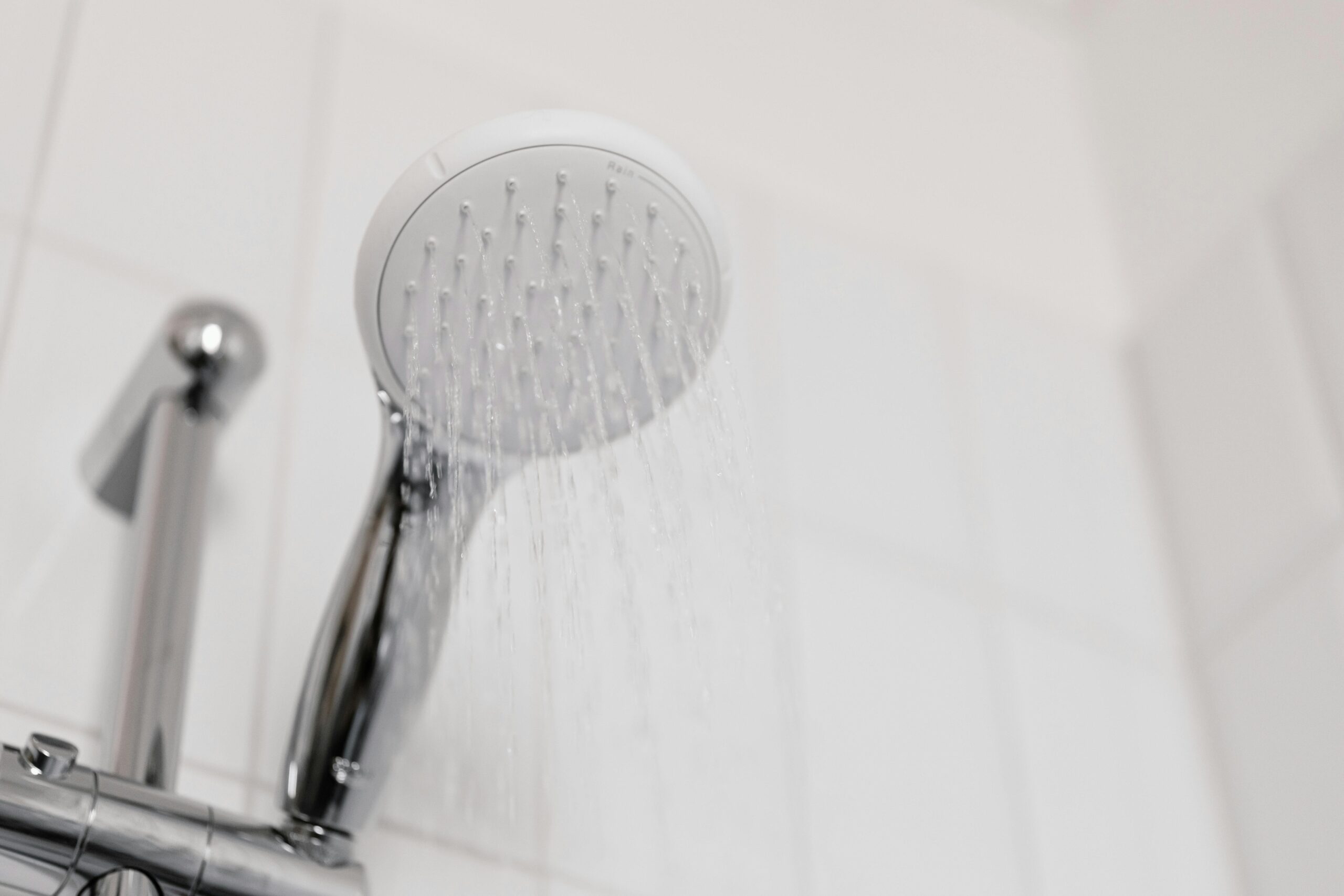
Your daily-use faucets are a good place to start assessing your plumbing. Remove your faucet aerator and showerhead, and examine both for deposits or build-up. A quick clean with vinegar and a soft-bristled brush may be enough to recover a considerable portion of low water pressure. Once you have cleaned these items, proceed to walk through your home and test each faucet individually. If every fixture seems to have reduced pressure, it is likely that the problem lies closer to the main supply line. If only a small number of areas appear to be malfunctioning, focus on those specific branches and their respective shutoff valves. Don’t forget to check outside spigots and hose bibbs, since they sit near the main supply line and can give you an indication of how well the incoming supply is performing.
Low Water Pressure & Volume
Many people confuse pressure with volume; however, they represent two distinct concepts. Pressure is the force per unit area that propels water, whereas volume is the quantity of water moving through the pipe. You can achieve adequate pressure at low flow if your pipes are too narrow or otherwise restricted. Piping made of old galvanized materials, corroded internally, or with long runs that include multiple turns all create resistance to water flow. Compare this to traffic on a busy highway during rush hour. Cars continue to arrive, but they move very slowly. Similarly, water can behave within your walls.


Appliances Can Offer Clues
If your washing machine or dishwasher fills slower than expected, but nearby faucets work fine, check the small mesh screens where the hoses connect. Toilets that refill sluggishly may have aging fill valves or sediment in the supply line. In multi-story homes, low water pressure on upper floors can point to an overall pressure issue, as gravity becomes a factor. Pay attention to sounds as well—whistling or sudden hissing can indicate internal obstructions or pressure fluctuations. Ongoing maintenance of these appliances often prevents such issues from developing unnoticed.
Knowing When To Contact A Professional
Most low water pressure issues can be identified through a systematic, logical evaluation of your faucets, valves, and visible piping. Tightening a loose shutoff valve, cleaning your aerators, or installing a new showerhead can be very rewarding. However, there are occasions when the assistance of a licensed plumber is required. If you experience a sudden drop in pressure throughout your home, observe wet spots on walls or ceilings, or notice a damaged or frozen main shutoff valve, contact a licensed plumber. Consider your research efforts as part of a team effort. You collect clues, and a qualified plumber uses those same clues to provide a long-lasting solution to address your low-flow concerns.