
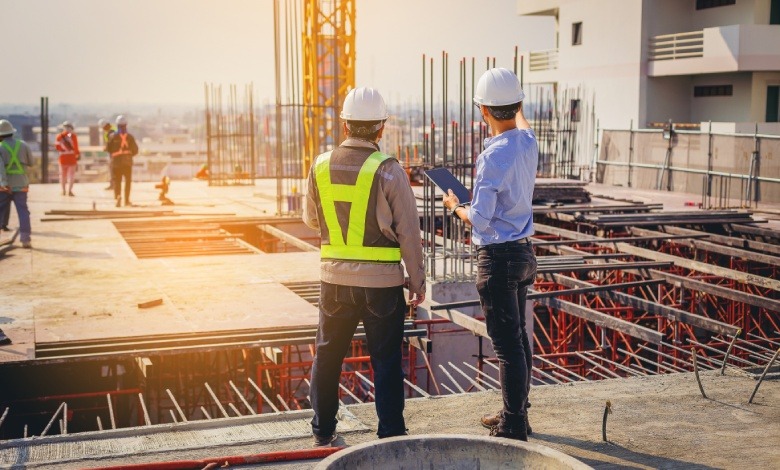
Best Practices for Safe and Efficient Construction Sites
Construction sites are inherently dangerous places. Heavy machinery, elevated work areas, and constant activity create countless opportunities for accidents and delays. However, with the right approach, construction managers can create environments that protect workers while boosting productivity. Implementing best practices for safe and efficient construction sites isn’t just about following regulations; it’s about creating a culture where safety and efficiency work hand in hand.
Planning Sets the Foundation
Before the first shovel hits the ground, successful construction projects begin with comprehensive planning. Site managers must conduct thorough risk assessments that identify potential hazards and establish clear protocols for addressing them.
This planning phase should include mapping out traffic patterns for both workers and equipment, designating safe zones for breaks and storage, and establishing emergency procedures. When subcontractors, suppliers, and workers understand what is expected of them, projects run more smoothly and safely.
Communication Keeps Everyone Connected
Clear communication forms the backbone of any successful construction site. Daily safety briefings help workers stay aware of changing conditions and potential hazards. These meetings don’t need to be lengthy, but they should cover the day’s specific risks and any changes to procedures or schedules.


Two-way radios, mobile apps, and digital bulletin boards help ensure important information reaches everyone quickly. When workers can easily report concerns or ask questions, problems get addressed before they become serious issues.
Equipment Management Drives Results
Proper equipment maintenance and operation have a direct impact on both safety and efficiency. Fortunately, regular inspections catch problems before they cause accidents or delays. Well-maintained machinery runs more reliably, which helps improve efficiency in foundation drilling projects and other critical tasks that keep construction schedules on track.
Training workers on the proper use of equipment reduces wear and tear while preventing accidents. When operators understand their machines’ capabilities and limitations, they can work more effectively while avoiding dangerous situations.
Safety Protocols That Actually Work
Effective safety protocols go beyond posting signs and handing out hard hats. They require consistent enforcement and regular updates based on site conditions.
Contractors and managers must always maintain and ensure proper fitting of protective equipment, as well as get continuous training on when and how to use it correctly. When safety becomes everyone’s responsibility rather than just management’s concern, accidents decrease and morale improves.
Building Success Through Smart Practices
Implementing the best practices for safe and efficient construction sites requires commitment from everyone involved, from project managers to entry-level workers. Success comes from treating safety and efficiency as complementary goals rather than competing priorities. Remember that every construction site is unique, and the best practices that work for one project may need to be adjusted for another.
By investing in proper planning, clear communication, well-maintained equipment, and comprehensive safety protocols, construction companies can create environments where both people and projects thrive.