3 Ways To Improve Home Insulation Without Opening Walls
You might think expensive renovations are your only option when energy bills climb and drafts make your living room feel like an icebox. The good news? There are multiple ways to improve home insulation without opening walls, and many of these solutions cost far less than you might expect.
Proper insulation keeps your home comfortable year-round while reducing energy costs. These straightforward improvements can make a significant difference in your home’s efficiency, and you can tackle most of them over a weekend.
Seal Air Leaks Around Your Home
Air leaks around windows, doors, and other openings steal your heated or cooled air faster than you realize. Walk through your home on a windy day and feel for drafts, or hold a lit candle near potential problem areas to spot air movement.
Caulk works perfectly for sealing small gaps and cracks around window frames, door frames, and anywhere different materials meet. Weather stripping creates an effective seal around moving parts, such as doors and windows that open and close.


Consider installing rolling shutters on windows that need extra protection. Rolling shutters insulate against extreme temperatures while providing additional security and privacy. They create an extra barrier that maintains your home’s internal temperature regardless of weather conditions outside.
Add Insulation to Your Attic
Your attic represents one of the most cost-effective places to add insulation. Heat rises, and without adequate attic insulation, you’re essentially heating the great outdoors through your roof.
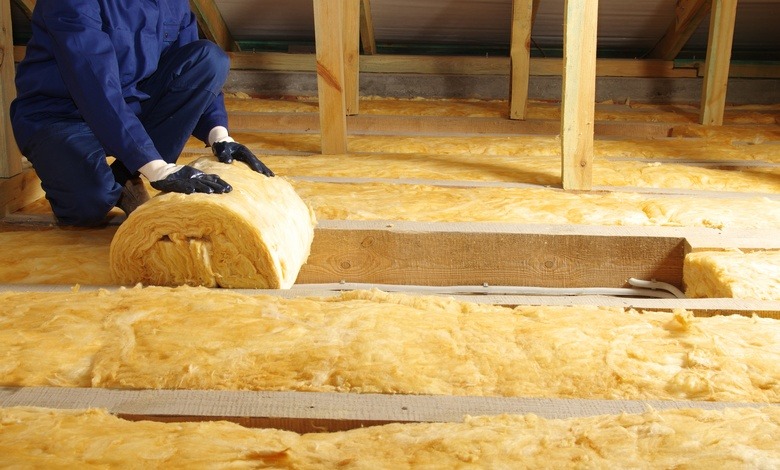
Loose-fill insulation works well for attics with irregular spaces or existing insulation that needs a boost. You can rent a blowing machine from most home improvement stores and tackle this project yourself. Batt insulation offers another excellent option, especially for attics with standard joist spacing and minimal obstructions.
Check your current attic insulation depth. Most homes benefit from 10 to 14 inches of insulation, depending on your climate zone.
Insulate the Crawl Space
Many often overlook their home’s crawl space, yet these areas can significantly impact your home’s energy efficiency. Cold air entering through crawl spaces makes your floors chilly and forces your heating system to work harder. Address any moisture issues before insulating crawl spaces. Vapor barriers and adequate ventilation prevent mold and structural problems down the road.
Rigid foam insulation boards attach directly to crawl space walls and provide excellent thermal resistance. These boards resist moisture better than traditional fiberglass insulation. Spray foam offers superior coverage for irregular spaces and seals air leaks simultaneously, though it requires professional installation or careful DIY application.
These ways to improve home insulation without opening walls offer practical solutions that deliver real results. Each improvement builds on the others, creating a more comfortable, energy-efficient home that costs less to heat and cool throughout the year.