How Firefighters Can Detect Fires Before They Start
Firefighting involves much more than rushing to a scene with sirens blaring. Fire safety relies heavily on prevention and early detection strategies that stop disasters before they grow out of control.
Fire departments across Indiana utilize advanced tools and community data to identify risks early. Understanding how firefighters can detect fires helps residents see the science behind the strategies that protect them.
Thermal Imaging Technology
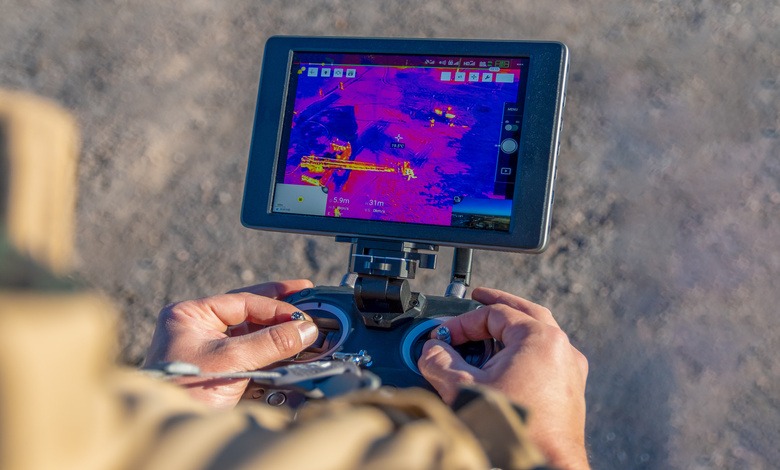
One of the most effective tools in a firefighter’s arsenal is the thermal imaging camera. The devices detect heat signatures invisible to the naked eye. Firefighters use them during inspections to find hot spots behind walls or in electrical panels.
The camera reveals overheating wires or smoldering insulation long before smoke appears. They might shut off power to a faulty circuit or expose a wall cavity to extinguish a smoldering ember.
Analyzing Historical Data
Departments rely on data analysis to predict where fires are most likely to occur. By reviewing past incident reports, they identify patterns in specific neighborhoods or building types. If a certain area shows a high frequency of electrical fires, crews know to focus prevention efforts there.
This data drives targeted inspections and community outreach programs. Fire marshals visit high-risk properties to comply with safety codes. Correcting code violations removes the fuel or ignition sources that cause emergencies.
Satellite and Aerial Monitoring
For large areas, especially in rural parts of Indiana, aerial surveillance is a critical vantage point. Satellites and drones monitor vegetation dryness and heat anomalies across vast landscapes. This is where technology plays a role in wildfire prevention. It can protect communities near wooded areas or open fields.
Detecting a small brush fire from the air allows crews to dispatch resources while the blaze remains manageable. Quick containment prevents the fire from spreading to nearby homes or agricultural structures. Early aerial detection creates a safety buffer for everyone living on the urban-wildland interface.
Detect Fires w/Advanced Smoke Detection Systems
Commercial buildings and modern homes utilize sophisticated smoke detection systems linked directly to emergency dispatch. These aren’t just standard alarms; they analyze air particles to differentiate between cooking smoke and threatening combustion. Some systems even pinpoint the exact room where the sensor triggered.
Firefighters arrive with a plan already in mind with this information. They know exactly where to go, reducing the time it takes to find the source. Seconds matter, and intelligent alarms provide the head start needed to stop a fire’s growth.
Community Risk Reduction
Firefighters also detect fires by engaging directly with the community. Risk reduction involves walking through homes to check smoke detectors and identify hazards such as overloaded extension cords. These visits allow experts to identify hazardous practices, such as storing flammable liquids near furnaces.
Educating residents creates a partnership in prevention. When a homeowner fixes a hazard identified by a firefighter, they eliminate a potential ignition point. This human element of detection remains just as powerful as any high-tech gadget.
Firefighters can detect fires before they start through thermal imaging, data analysis, and direct inspection. These resources help departments stay one step ahead of disaster and keep residents safe.