
A Simple Guide on Turning Your Home Solar
Solar power systems are now more accessible and affordable for homeowners than ever, thanks to advances in technology, government incentives, and financing options designed to support renewable energy adoption. This simple guide on turning your home solar will walk you through essential considerations, empowering you to take your first step confidently into the world of renewable energy.
Assess Your Home’s Solar Potential
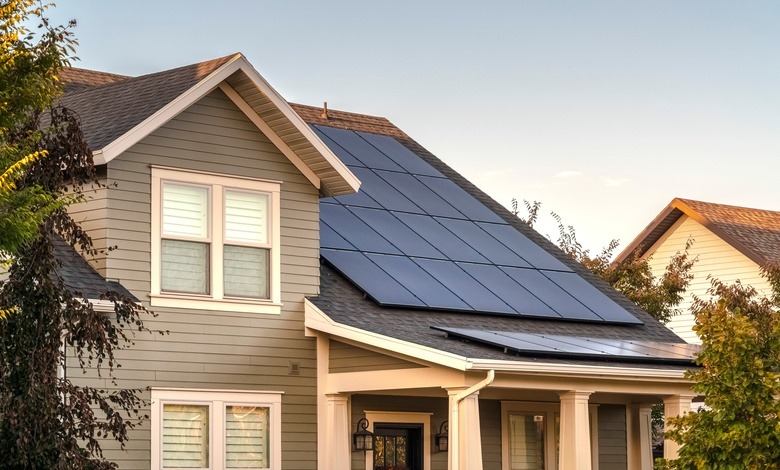
Start by determining whether your home is a suitable candidate for solar panels. The amount of direct sunlight your property receives, available roof space, and roof orientation are essential factors that affect the efficiency of solar panels. South-facing roofs with minimal shading tend to produce the best results. Check the condition of your roof thoroughly to ensure it can support the installation.
Understand Your Energy Needs
To determine the right size and capacity for your solar energy system, you’ll need to assess your current energy consumption. This information helps determine how many solar panels you’ll need to generate sufficient power.
Consider your future energy needs. For example, will you be using more electricity in the next five to ten years due to new appliances, electric vehicles, or other factors? Planning for these changes ensures your system will remain effective for many years.


Research Local Regulations and Incentives
One of the most important steps in turning your home solar is understanding zoning laws, permitting requirements, and local regulations in your area. Solar installations often require permits, and the process can vary by region. Take advantage of incentives, tax credits, or rebates that could dramatically reduce your overall costs. The federal solar tax credit and local energy programs are excellent starting points for exploring financial benefits.
Choose the Right System
Research the various panel options, such as grid-tied systems, off-grid systems, or hybrid models that combine both. Each setup has its advantages and limitations, depending on your specific circumstances. Once you know the type of system that suits you, find a reputable installer. Look for certified professionals with experience and positive reviews. Request multiple quotes to compare prices and services, ensuring you receive the best value for your investment.
Begin the Installation Process
Once you have a system and an installer, it’s time for the installation process. Many people feel uncertain about this phase, but following a step-by-step guide to solar panel installation can help you feel confident and in control.
The installer will typically begin with an on-site assessment, followed by obtaining the necessary permits. Afterward, the system will undergo an inspection to ensure it adheres to safety and electrical standards.
Transitioning to solar energy is an investment in your home and in a greener future. By assessing your solar potential, understanding your energy needs, complying with local regulations, and choosing the right installer, you can fully enjoy the benefits of renewable energy.