
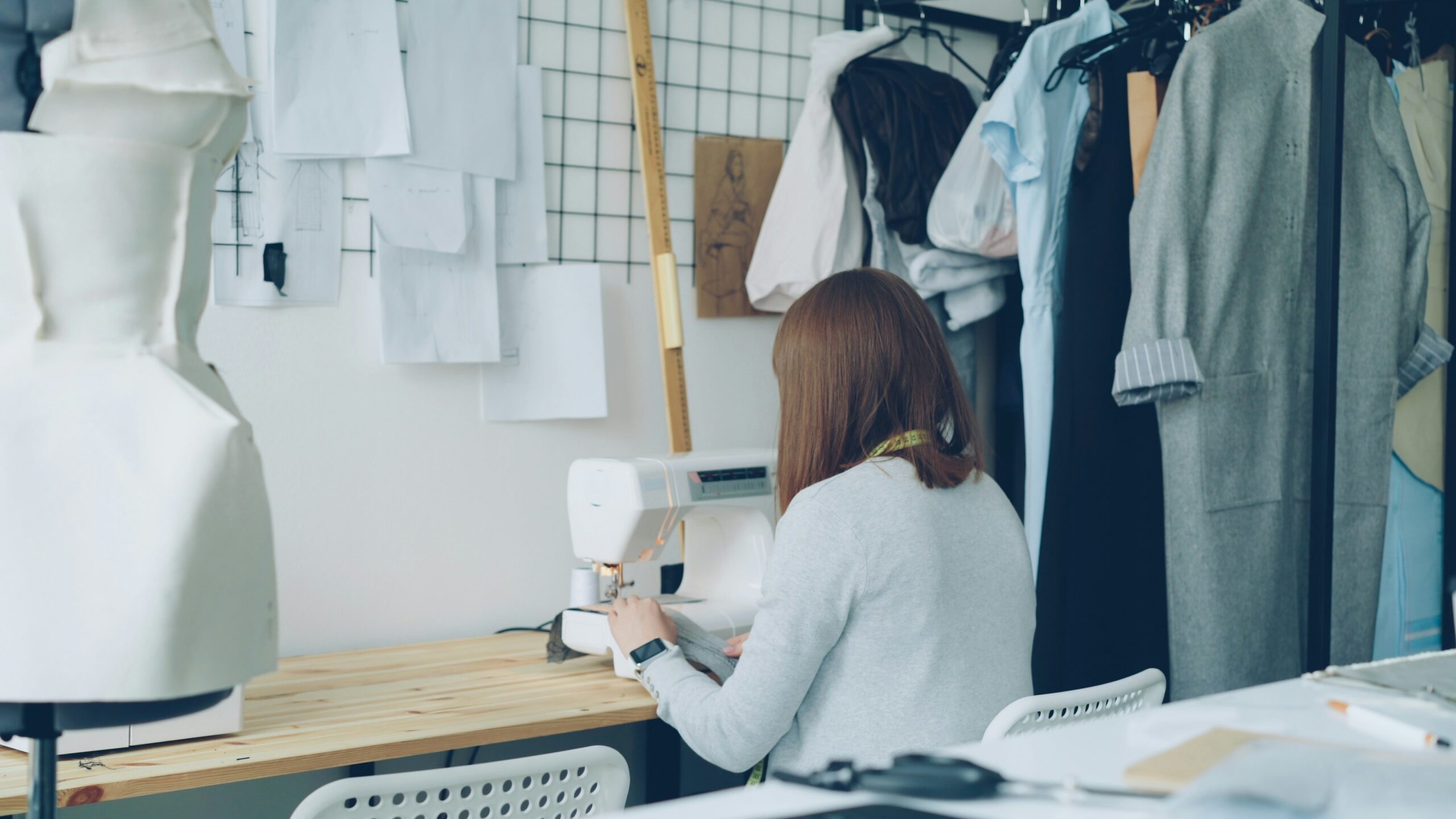
Ready to Launch Your First Fashion Brand?
Fashion remains one of the world’s largest industries, with a market worth around $1.8 to 1.9 trillion in 2025 and steady growth ahead. Naturally, despite this enormous scale, many of the new brands that try to enter the market fail to survive past the first few years. The reason? A fashion brand remains a business, and it needs to be treated with the strategic approach as any other business.
If you are dreaming of launching your own label, success depends on more than just good design. You’ll need a thorough business plan that provides clarity on your audience, your manufacturing process, your retail presence, and growth.
Picking Your Target
Before sketching your first design, ask: Who am I designing for? Every brand serves a specific crowd.
A fast-fashion name might aim at cost-conscious teen and young-adult shoppers. A mid-range label might target those who want style and quality at a moderate price. A premium or lifestyle brand might serve a different shopper altogether.

Defining your ideal customer persona helps guide your decisions on price point, design style, materials, and marketing tone.
Making Your Own Clothes vs Wholesale Manufacturing
You might enjoy sewing garments at home. But, while it’s a good creative exercise, it rarely works long-term if you aim to run an actual brand.
Producing small batches manually is time-consuming. It also makes consistency, quality control, sizing, and scaling difficult. This is why many new brands partner with professional manufacturers instead. Working with a wholesale manufacturing company like Trends Jeans for denim, for example, lets you order larger batches. It also ensures consistent quality while reducing per-item costs, which is something you can’t do if you DIY your own brand.
It also frees you to focus on design, branding, and growth, which will define your business direction.
Creating Your Retail Space
Once you have a product in hand, you need a place to sell. Today, many new labels launch online because it’s often easier and cheaper than opening a physical store.
But an offline store still offers value. A physical shop gives customers a chance to experience fabric quality and fit in person. It also allows for in-person service and community-building.
Layout and planning matter for both options. In both cases, customer care is crucial. But customer expectations will look different whether online or offline.
If you open a store, people expect an engaging layout, lighting, well-sized displays, and a mirror-fitting space.
If you choose online retail, shoppers want a smooth experience with easy payment options, clear shipping, and reliable packaging.
Building Your Brand
Designing and selling clothes is only part of the job. As you grow, you’ll need to manage orders, finances, inventory, customer service, marketing, returns, and perhaps a team.
Once your brand reaches steady demand, you may ask yourself: Is it time to hire your first employee? That internal milestone isn’t just about extra hands. It signals you need structures to avoid bottlenecks and burnout.
That is why it’s essential to approach scaling gradually and responsibly. This helps ensure the customer experience stays strong throughout.
Starting a clothing brand can be thrilling. The global fashion market is vast, and with a unique vision, you can carve out a niche.
But success doesn’t come easily. You need thoughtful planning and realistic steps to stand a better chance of turning your idea into something lasting.




I do not even understand how I ended up here, but I assumed this publish used to be great
This comment adds helpful structure and further clarity.